
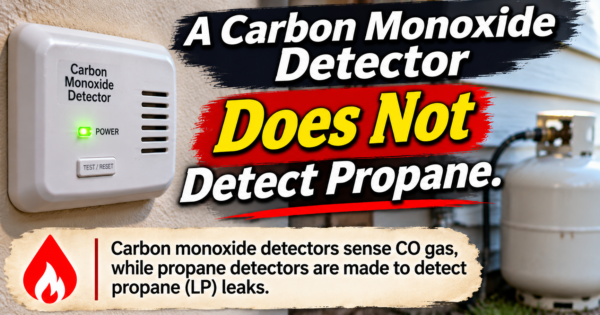
No, a normal carbon monoxide detector does not detect propane leaking into your home. A CO alarm looks for carbon monoxide, while a propane detector looks for unburned propane gas. They protect against two completely different problems, which is why a propane home can need both.
This was one of the first things I thought about after my own propane detector started alarming. We have a propane furnace downstairs and a newer propane line that runs from the house to the deck for the grill. My carbon monoxide alarm was downstairs too, but it never went off. The propane detector did.
That had me wondering if one detector should have covered the other. It does not.
In my case, I had sprayed a lot of aerosol germ killer earlier in the day. About 20 minutes later, the propane detector started going off. I moved it upstairs and it went off there too. I had the HVAC guy lined up, cracked a window while I waited, then eventually connected the timing to the aerosol spray. An hour later, the detector read zero.
It was a huge reminder that a propane alarm, carbon monoxide alarm, and smoke alarm all have their own job. One does not replace the others.
What a Carbon Monoxide Detector Actually Detects
Carbon monoxide is a colorless, odorless gas produced when fuel does not burn completely. Propane, natural gas, wood, gasoline, charcoal, kerosene, and oil can all create carbon monoxide when equipment is malfunctioning, poorly vented, blocked, or used the wrong way.
A propane furnace can create carbon monoxide if it has a combustion or venting problem. A propane water heater can create it. A propane space heater used improperly can create it. A generator running too close to the house can create it.
But none of that means carbon monoxide is the same thing as propane.
A carbon monoxide detector is built to sense carbon monoxide. It is not designed to warn you that raw propane is leaking from a line, tank, regulator, valve, grill connection, or appliance fitting.
That distinction matters because propane can leak without creating any carbon monoxide at all.


What a Propane Detector Actually Detects
A propane detector is designed to sense combustible fuel gas in the air. Depending on the exact model, it may detect propane only or multiple gases, such as propane, natural gas, methane, or butane.
The important word is “combustible.”
Propane itself is a fuel. It has not been burned yet. If it leaks from a fitting, hose, line, appliance, or tank connection, it can create a fire or explosion danger if enough gas collects and finds an ignition source.
That is what a propane detector is meant to warn you about.
A carbon monoxide detector is more about a fuel-burning appliance producing poisonous exhaust gas. A propane detector is more about fuel escaping before it burns.
Both situations can be serious. They are just not the same situation.
Why a Propane Leak May Not Trigger Your CO Alarm
This is where people get tripped up.
If propane leaks from a grill hose, an outdoor quick-connect, a furnace line, or a tank connection, that propane has not burned. Since it has not burned, it has not created carbon monoxide.
Your CO alarm may sit quietly while propane is leaking nearby.
That does not mean the leak is safe. Propane is flammable, and it can collect in low areas because it is heavier than air. A leak in a basement, crawl space, utility room, enclosed porch, garage, or low spot near a deck deserves attention.
A propane detector may alarm even when you do not smell gas. It may sense gas in a spot where odor has not reached you yet, or where you simply are not noticing it.
That is one reason I would rather have a purpose-built detector in a propane home than assume my CO alarms have every gas situation covered.
Why a CO Alarm May Sound When the Propane Detector Does Not
The reverse can also happen.
A propane furnace could be burning fuel poorly because of a vent issue, blocked exhaust, dirty burner, damaged heat exchanger, or other mechanical problem. That may create carbon monoxide without there being a raw propane leak.
In that situation, the CO alarm may sound while the propane detector stays silent.
That is exactly what you want each device to do.
The propane detector is not broken because it did not alarm. It just was not detecting the gas it was designed to detect. The CO alarm was doing its separate job.
If your carbon monoxide alarm goes off, get everyone outside immediately and call 911 or emergency help from a safe location. Do not stand around trying to decide whether it is the furnace, fireplace, generator, water heater, vehicle in the garage, or something else.
You can figure out the cause after everyone is safe.


Propane Detectors Usually Go Low, CO Alarms Follow Different Rules
Another difference is where each detector belongs.
Propane is heavier than air, so propane detectors are often installed lower on a wall near a likely propane source. Exact placement depends on the model. Always follow the installation instructions that came with that specific detector.
Carbon monoxide mixes with the air more readily. CO alarm placement follows different recommendations, often including every level of the home and outside sleeping areas.
That is why you should not automatically plug both devices into the same outlet and call it good. The best location for one may not be the best location for the other.
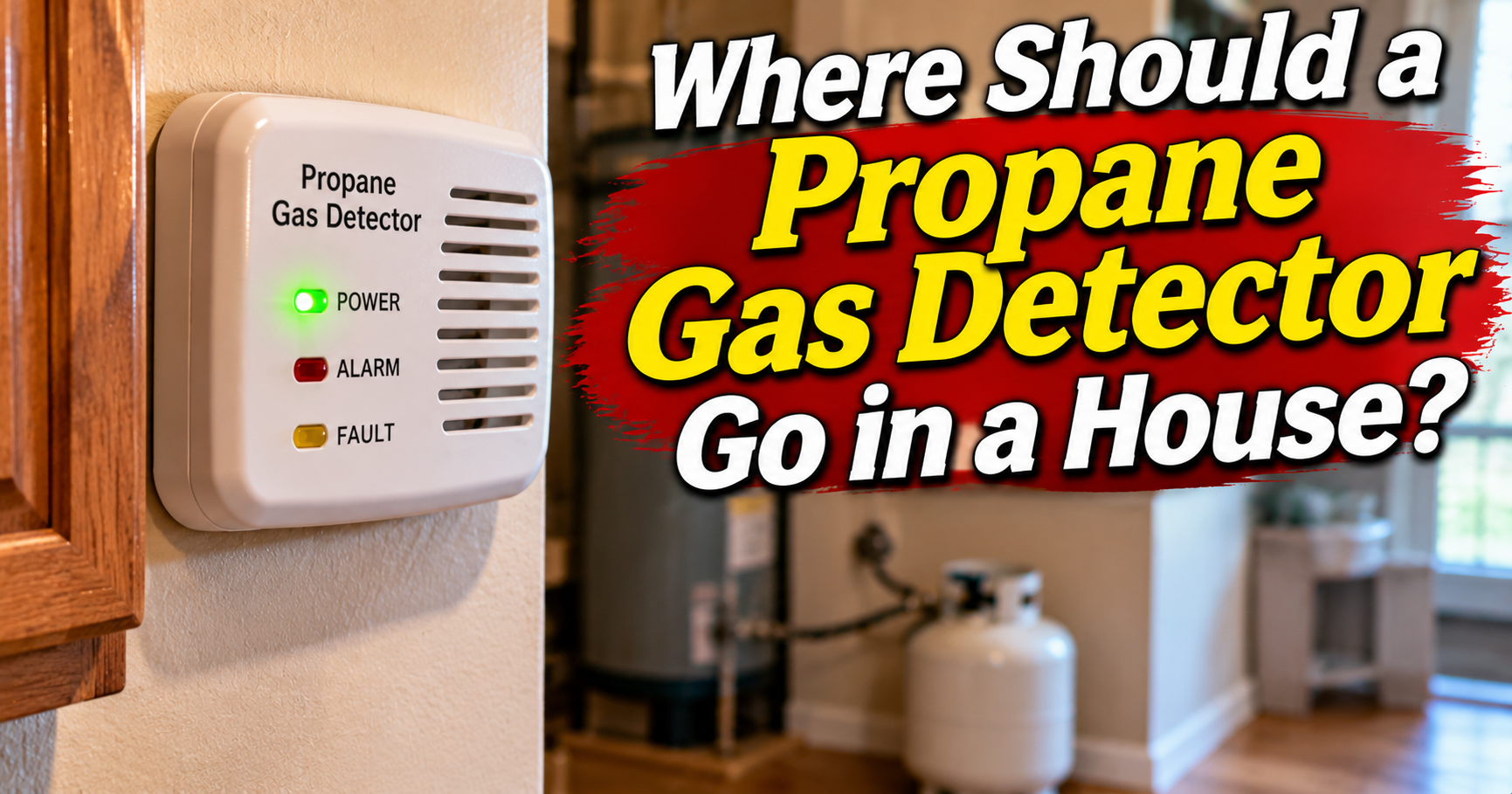
I went through the placement side in detail in my guide on where a propane gas detector should go in a house. It is worth reading before choosing a spot based only on the closest empty outlet.
Can One Combination Detector Do Both Jobs?
Yes, some combination units are designed to detect both propane and carbon monoxide. But you need to read the product description and the label carefully.
Do not assume a device is a combination detector just because it says “gas alarm.” It may detect propane and natural gas but not carbon monoxide. It may detect carbon monoxide but not propane. It may be made for an RV rather than a house. It may require a certain mounting height that does not fit the room you had in mind.
The words on the box matter.
A combination detector can be convenient, especially in a smaller area, but it still has to be placed correctly and maintained. A device cannot protect you from a danger it is not designed to sense.
For a home using propane, I would rather have clear coverage than a false sense of coverage. That may mean separate propane and CO alarms in the right spots. It may mean a properly rated combination device plus other CO alarms through the home.
The right setup depends on your appliance locations, your home layout, local requirements, and the instructions for each alarm.

My Propane Detector Alarmed, but My CO Alarm Did Not
That was the exact situation during my aerosol spray scare.
My propane detector started going off after I had sprayed a bunch of aerosol germ killer. I worried first about the propane furnace downstairs, then the newer line going from the house to our deck grill. I even moved the detector upstairs, and it alarmed there too.
The fact that my CO alarm was not sounding did not prove there was no propane issue. It only meant the CO alarm was not detecting carbon monoxide.
I cracked a window, gave it time, and started looking at what had happened before the alarm began. The timing with the aerosol spray finally clicked. Once the air cleared, the propane detector went back to zero.
That experience taught me two things.
First, some sprays, vapors, and household chemicals can trigger certain combustible-gas detectors.
Second, you should not decide it is a false alarm while you are still standing in a potentially unsafe situation.
Get outside first. Keep people and pets safe. Avoid switches, flames, and electrical devices. Then call for help or work through the likely cause from a safe distance.
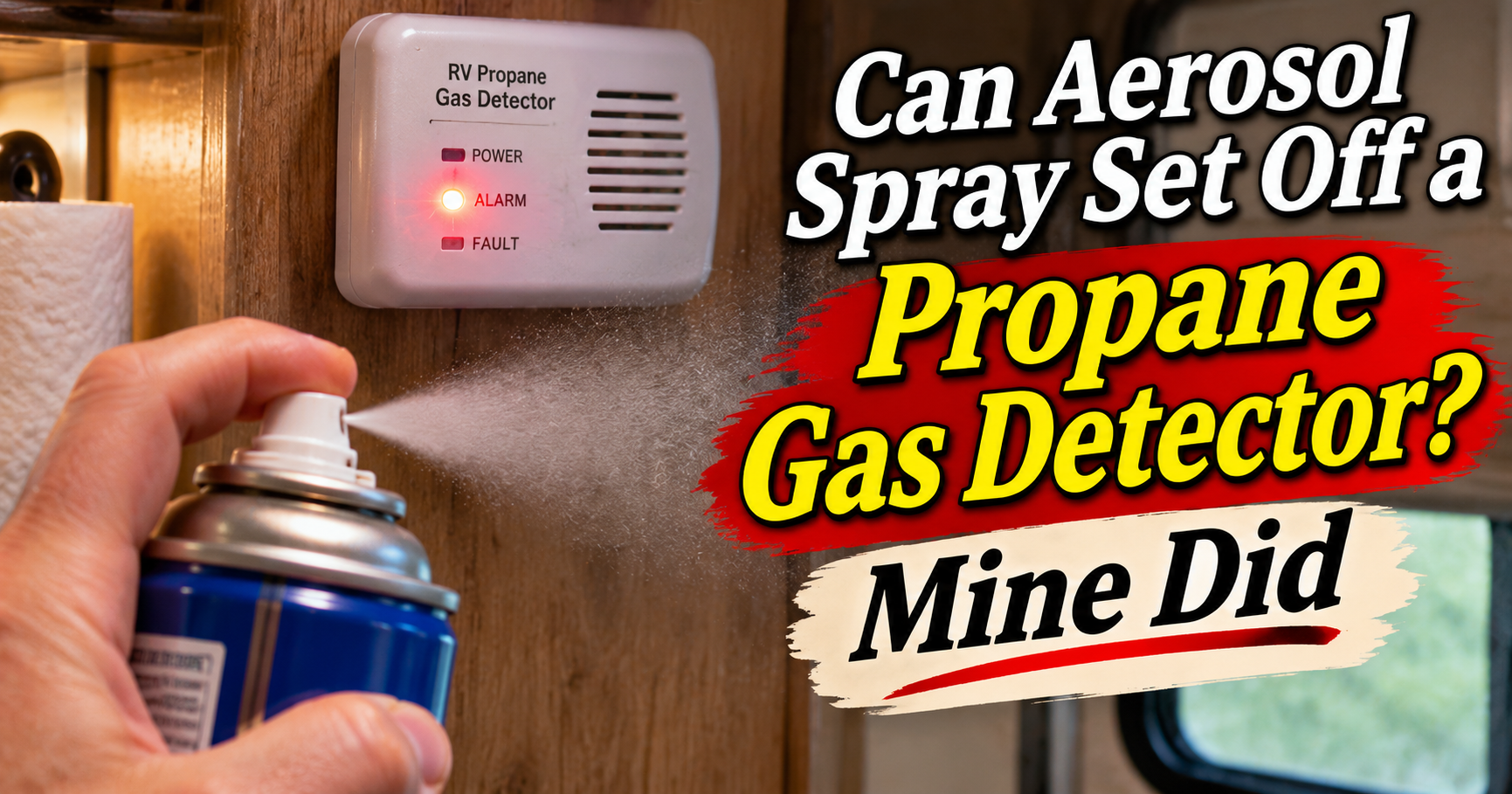
I wrote the full story in my real aerosol spray and propane-detector false alarm experience because I know I cannot be the only person who has had that confusing moment.
You Still Need Smoke Alarms Too
It would be nice if one device covered every hazard in a house. Unfortunately, homes are not that simple.
A smoke alarm warns you about smoke and fire.
A carbon monoxide alarm warns you about CO from incomplete combustion.
A propane detector warns about propane fuel gas leaking into the air.
Each one fills a different gap.
A smoke alarm cannot tell you there is a propane leak before a fire starts. A CO alarm cannot usually tell you raw propane is building up near the floor. A propane detector cannot replace working smoke alarms or CO alarms.
That may sound like a lot of devices, but they each have a very specific reason for being there.


A Plug-In Propane Detector Adds a Different Layer of Warning
If your home has propane heat, a propane water heater, propane range, fireplace, or any indoor propane appliance, a detector built to sense propane can add a layer that your CO alarm does not provide.
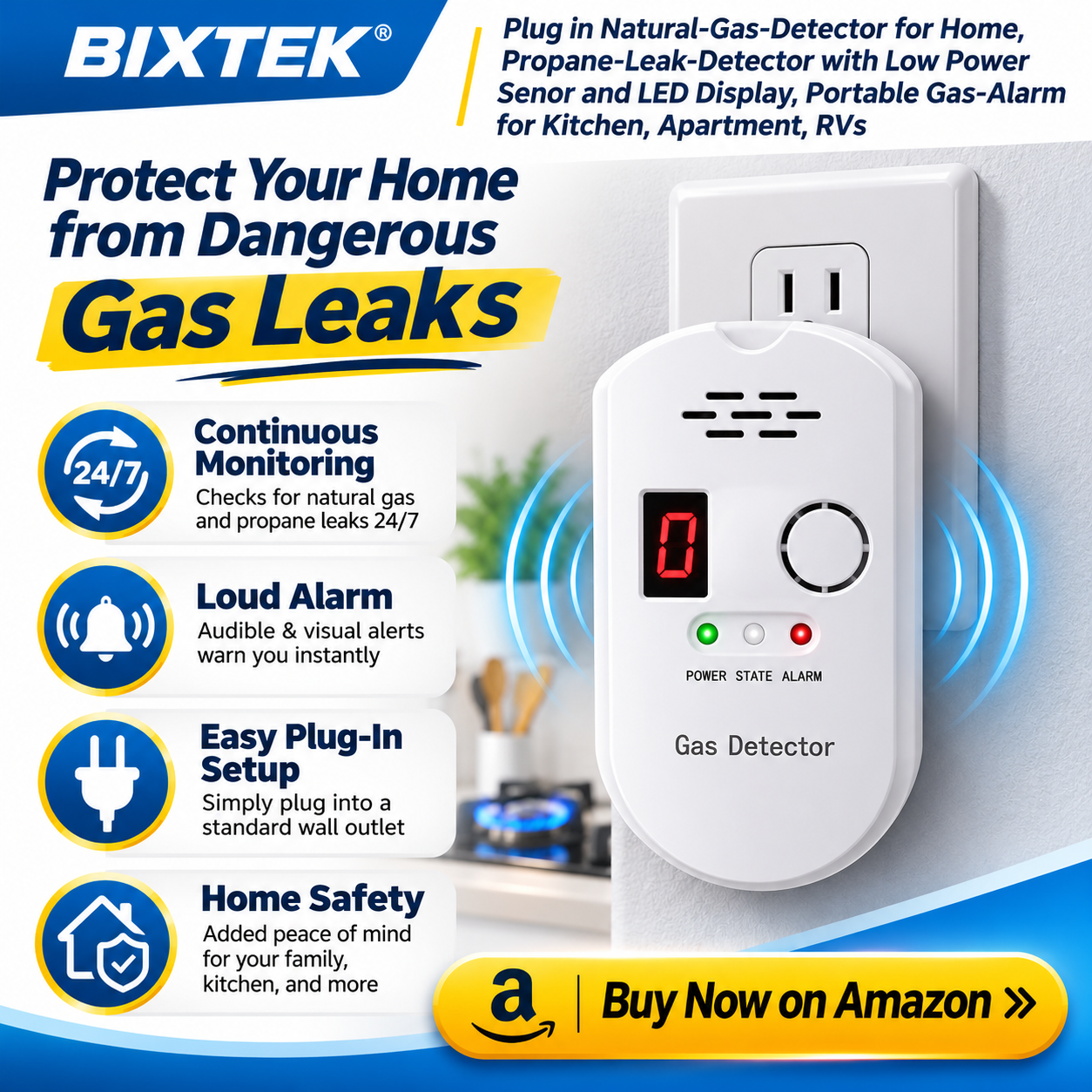
A plug-in detector made for propane and natural gas can be a simple option for a utility-room or lower-wall outlet when that model’s instructions match the location.
Before buying one, check three things.
- Make sure it specifically lists propane detection.
- Check whether it also detects carbon monoxide or whether you still need separate CO alarms.
- Confirm the recommended placement height and distance from appliances, doors, windows, and vents.
It is easy to see the words “gas detector” and assume you are covered for everything. That is exactly the assumption I would avoid.
A Handheld Sniffer Is for Checking Fittings, Not Replacing Alarms
A handheld gas sniffer is a different tool entirely.
It is useful for a planned check around accessible propane fittings, grill hoses, quick-connects, regulators, and appliance connections. It can help you narrow down a suspicious spot when there is no active emergency.
For example, after a new propane line is installed to an outdoor grill, a handheld detector for checking accessible propane connections can make routine maintenance less of a guessing game.
But do not use a handheld sniffer as a reason to stay in the house when you smell propane, hear hissing, or have an alarm going off. That is not the time to walk around playing leak detective.
Get outside. Call the propane supplier, fire department, or 911 from a safe location. Let the right person find the cause.
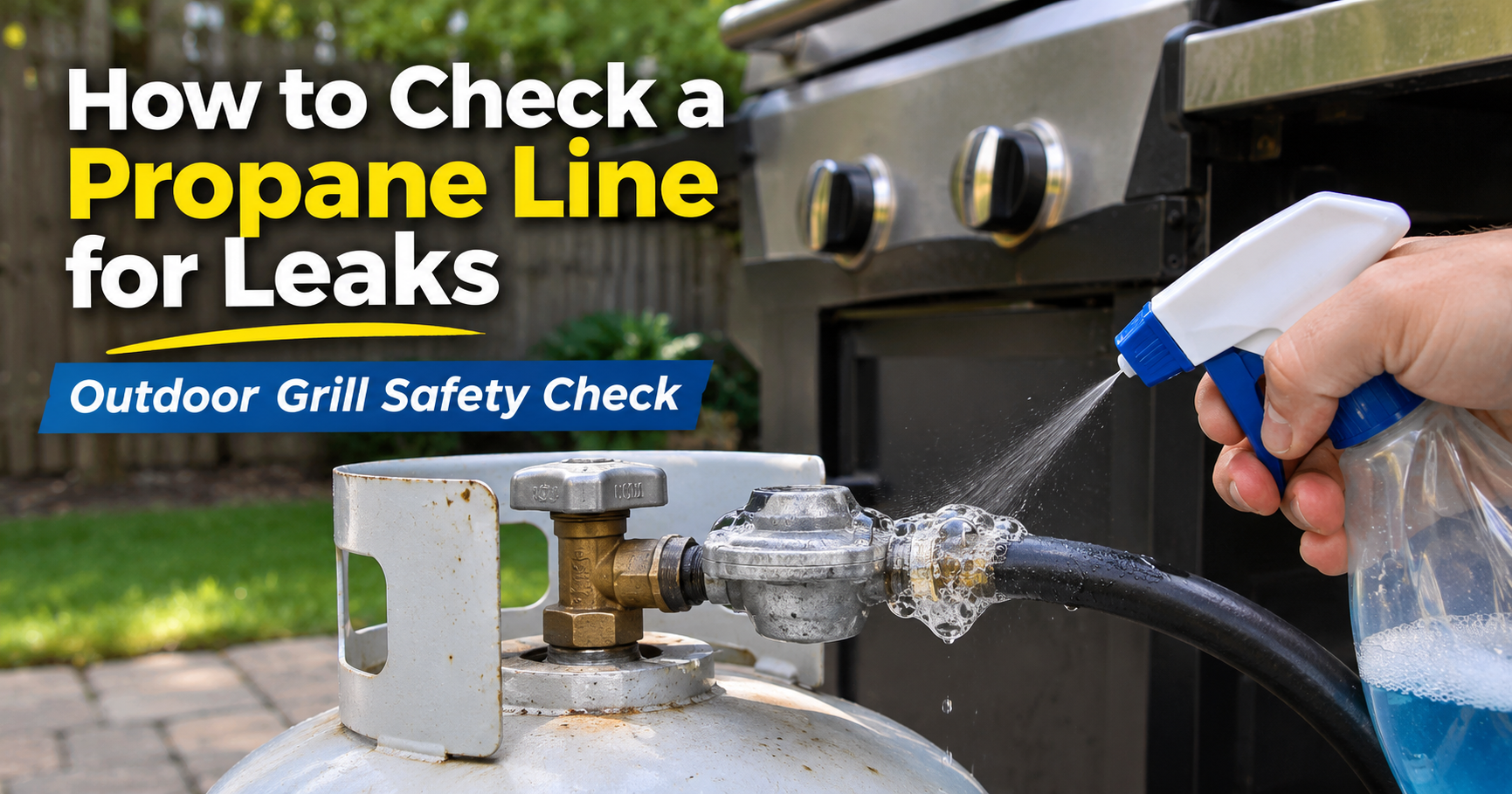
For ordinary outdoor grill-line maintenance, this safe way to soap-test a propane line to a deck grill is a better starting point than improvising with a flame, a lighter, or a strong belief that you can smell every leak.


Common Detector Mistakes in Propane Homes
One mistake is assuming a carbon monoxide alarm covers propane. It does not.
Another is assuming a propane detector covers carbon monoxide. It may not.
Another is installing a detector in the wrong spot. Propane detectors commonly need to be low. Carbon monoxide alarms often belong in different areas, including outside sleeping spaces. A detector that is blocked behind furniture or mounted where airflow interferes with it may not help as much as you think.
The biggest mistake, though, is ignoring an alarm because you cannot immediately explain it.
I get it. A beeping detector can feel like the worst kind of mystery. You start wondering if the thing is old, whether a spray triggered it, whether the batteries are weak, whether the dog stepped on something, or whether you are overreacting.
But a few minutes outside is a cheap price for caution.
What to Do When Either Alarm Sounds
If a carbon monoxide alarm sounds, get everyone outside right away and call emergency services from a safe place. Do not go back in until you are told it is safe.
If a propane detector sounds or you smell propane, get people and pets away from the suspected area. Do not use switches, phones, appliances, lighters, cigarettes, vapes, fans, or anything that could create a spark. Call the propane supplier, fire department, or 911 from outside.
If there is a visible gas cloud, strong hissing, flames, or a heavy propane smell, treat it as an emergency.
If an alarm goes off after using aerosol spray, paint, strong cleaner, solvent, or another chemical, still start by getting to fresh air. The possible explanation can wait until you are safe.
Does a carbon monoxide detector detect a propane leak?
Usually, no. A normal carbon monoxide alarm detects carbon monoxide, not raw propane. You need a detector specifically designed to sense propane or combustible fuel gas.
Does propane create carbon monoxide?
Propane itself is not carbon monoxide. But propane appliances can produce carbon monoxide if fuel burns incompletely because of poor ventilation, a blocked vent, malfunction, or maintenance issue.
Do I need both a propane detector and a CO detector?
Many propane homes benefit from both because they protect against different hazards. A CO alarm warns about carbon monoxide, while a propane detector warns about leaking fuel gas.
Why did my propane detector go off but not my carbon monoxide alarm?
The propane detector may have sensed propane or another combustible vapor, while there was no carbon monoxide present. Aerosol sprays, solvents, and strong vapors can also affect some combustible-gas detectors.
Can a propane detector replace a smoke alarm?
No. A propane detector, carbon monoxide alarm, and smoke alarm each detect different hazards. A safe home needs the right device for each job.