
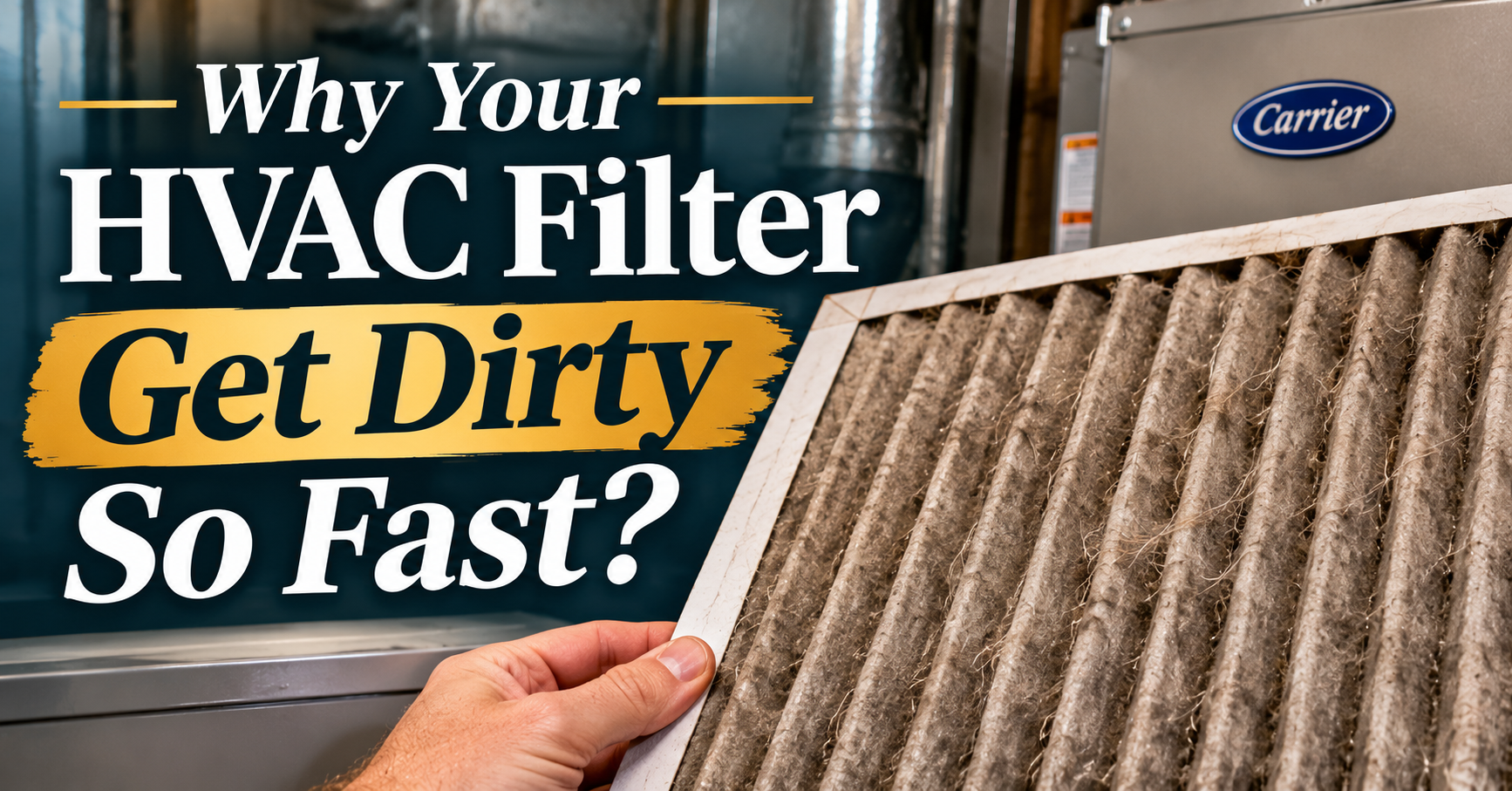
Why Does My HVAC Filter Gets Dirty So Fast?
If your furnace or AC filter looks filthy after only weeks, the color and debris on it can reveal what your HVAC system is pulling in.
If your furnace or AC filter looks filthy after only weeks, the color and debris on it can reveal what your HVAC system is pulling in.
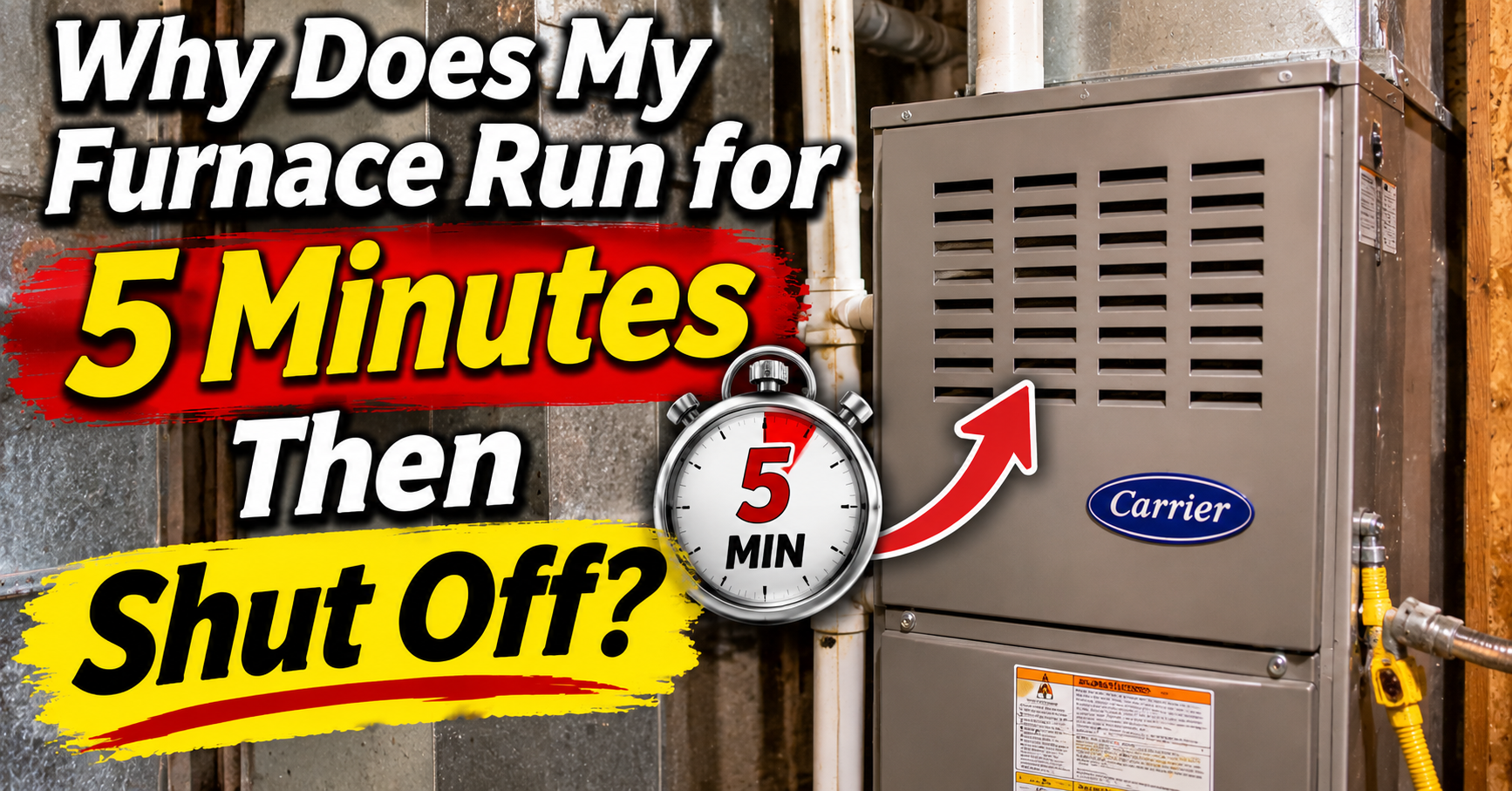
A furnace that starts, runs briefly, then shuts off may be overheating, short cycling, or getting a bad thermostat signal. The timing matters.
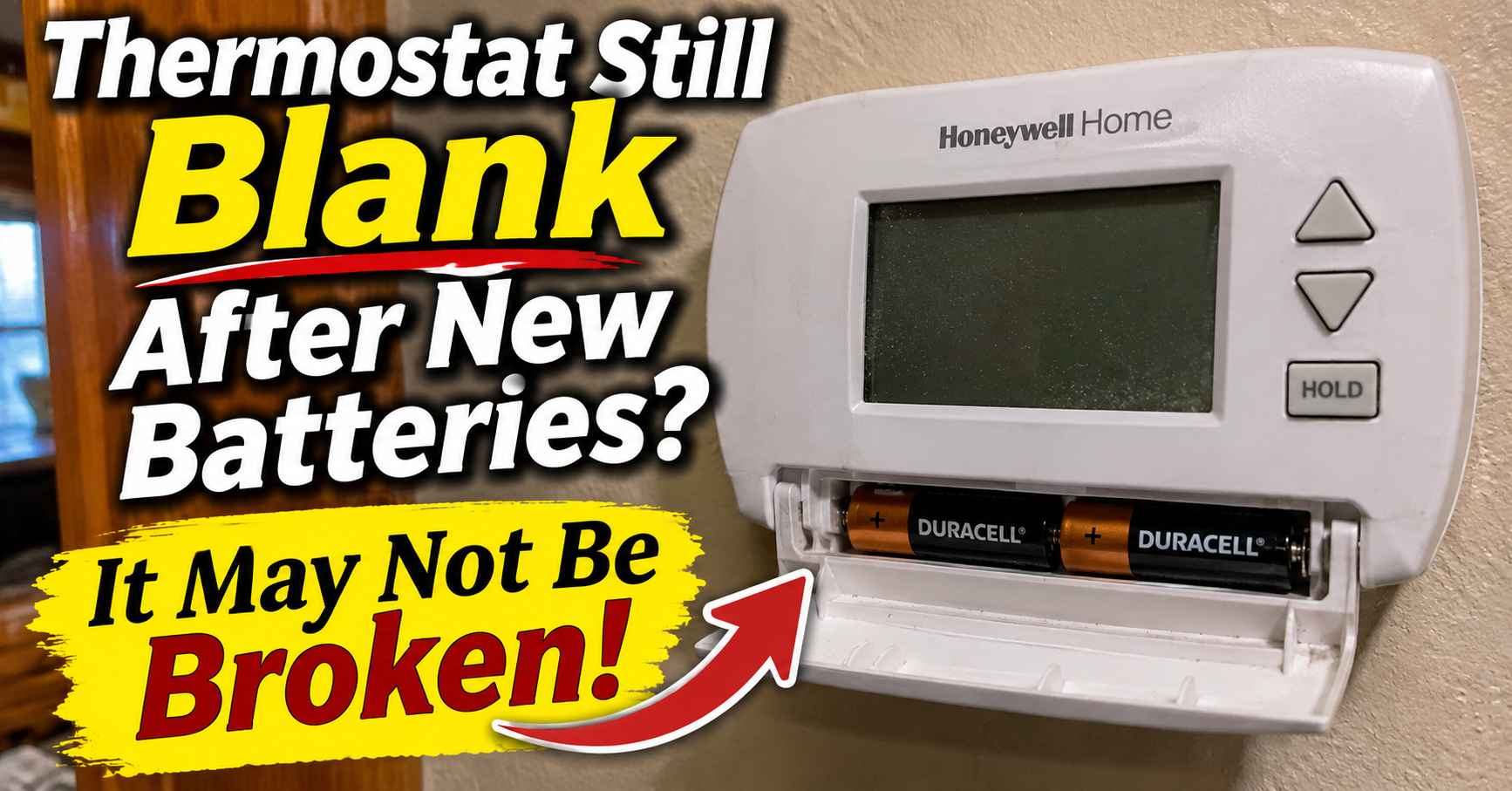
A blank thermostat after new batteries may mean bad contacts, a tripped breaker, no furnace power, or a blown fuse. Here’s how to narrow it down.
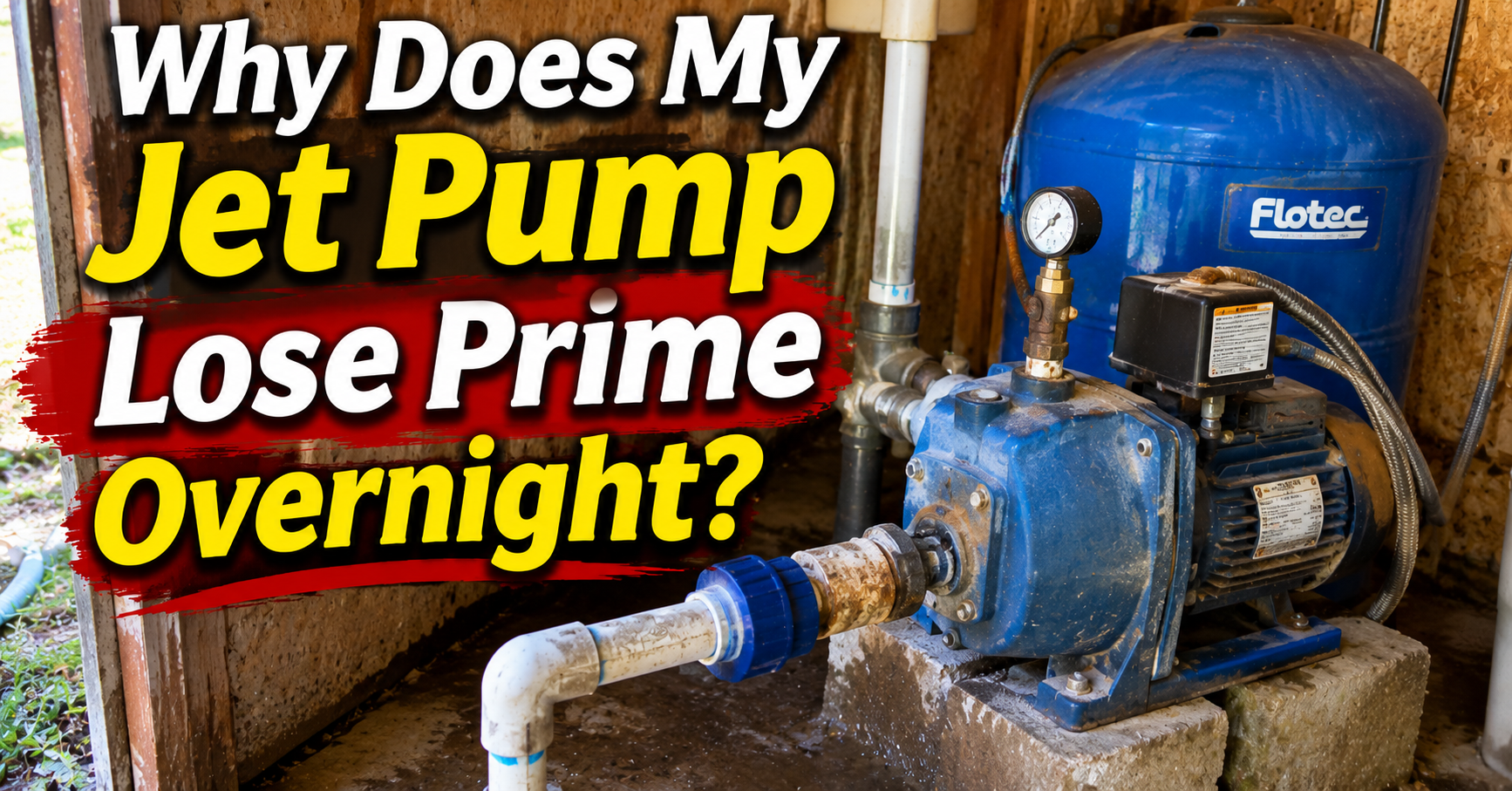
A jet pump that works today but loses prime by morning usually has a leaking foot valve or suction leak. Here’s how I narrow it down.
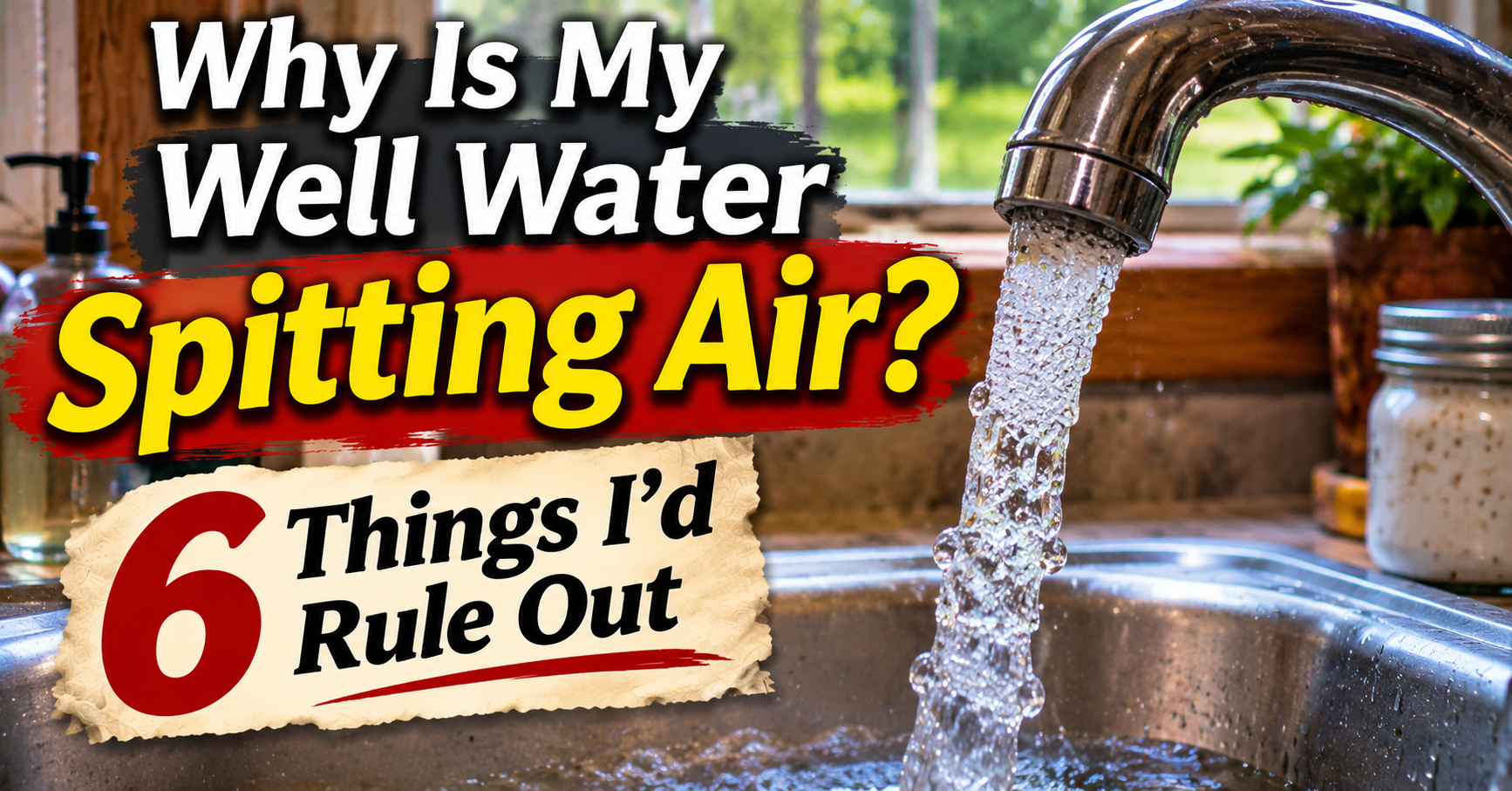
Air sputtering from a well-water faucet can be harmless or a warning. Here’s how I narrow down the source before calling a pump company.
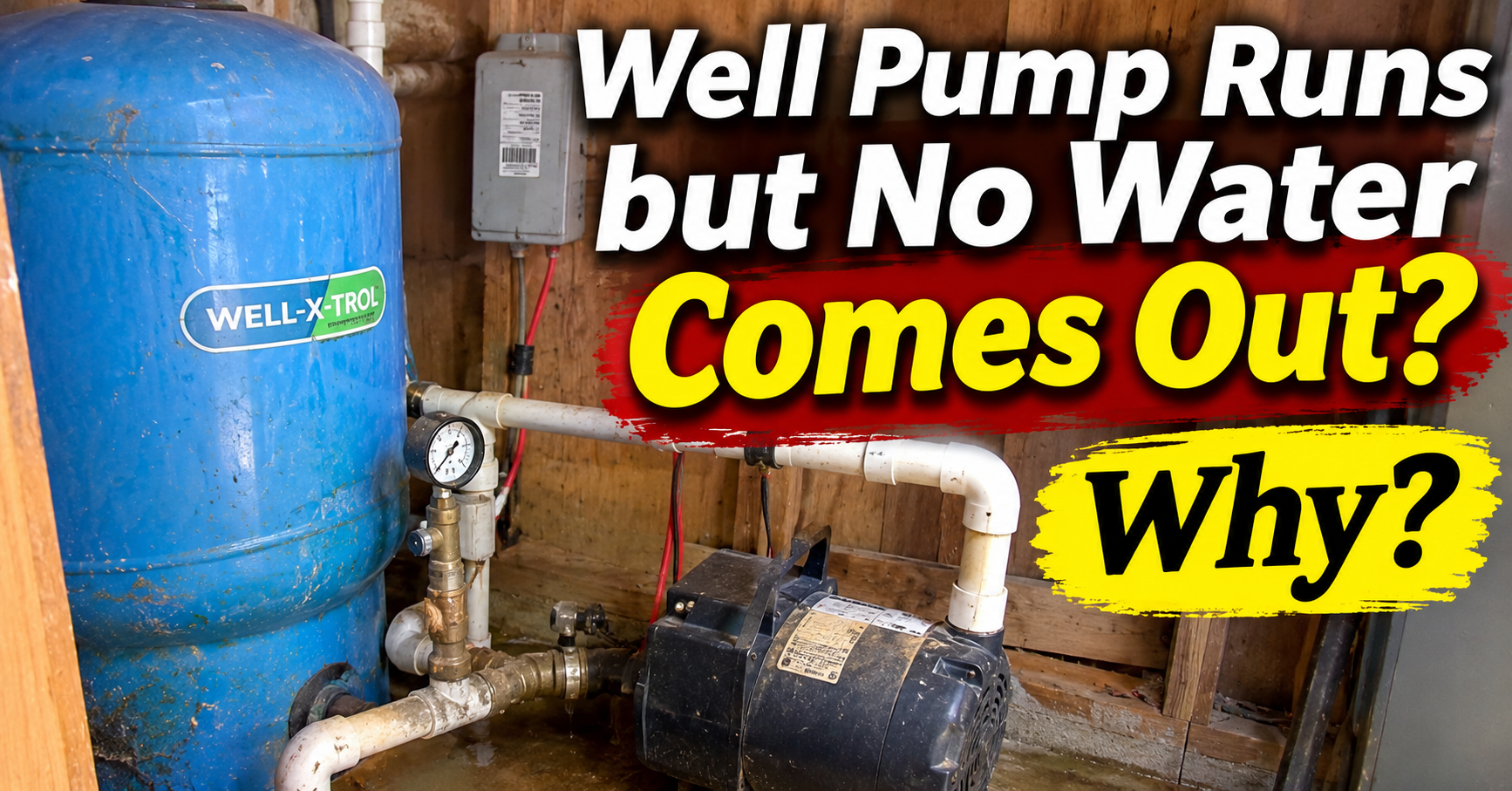
If your well pump is running but no water reaches the house, shut it down and check the gauge, valves, and warning signs first.
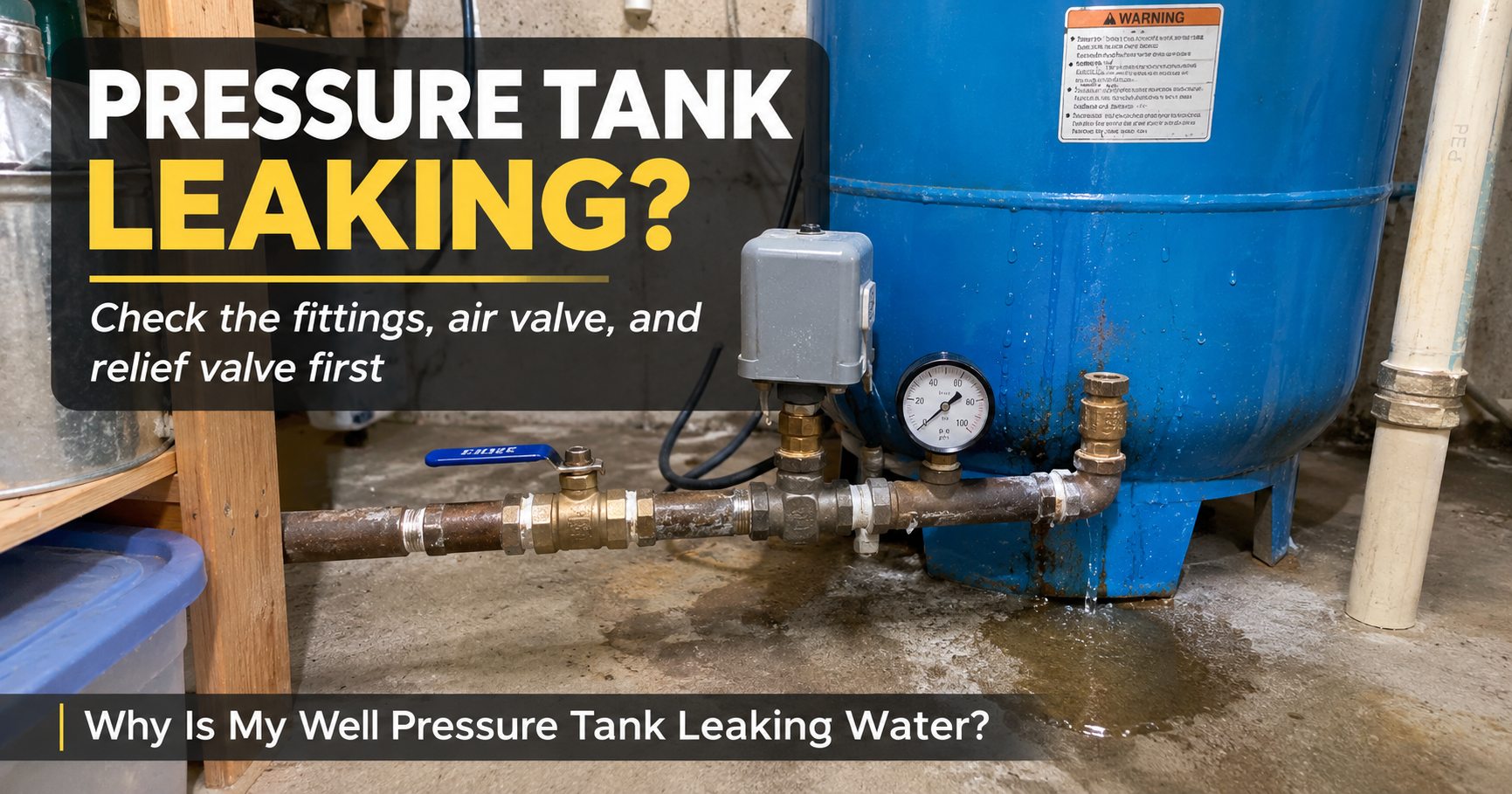
Water around a well pressure tank may be a loose fitting, condensation, or a failing tank. Here is how I tell the difference first.

That faint bathroom hiss can waste up to 200 gallons of water a day, but the culprit is often a $10 flapper that takes less than 10 minutes to replace. Use the food-coloring test to confirm the leak, then check the float or fill valve

Drying clothes indoors, taking long showers, and running a humidifier can quietly push moisture levels too high, but they are only part of the problem. Learn how to trace household humidity to poor ventilation, leaks, damp foundations, and weather, then address each source.

A privacy screen does not have to start with a costly fence. Layer tall arborvitae or clumping bamboo behind dense privet, then add low plants in front for faster coverage, better sound buffering, and a backyard that feels finished from every angle.

Clay soil will not politely settle just because you filled the trench back in. Backfill in thin layers, moisten each one without turning it to sludge, and watch for level ground, firm footing, and water that drains instead of pooling.

Steel containers do not become homes just because they are stacked and painted. You’ll need to plan permits, foundations, structural reinforcement, insulation, condensation control, plumbing, and electrical work before cutting openings into the walls.