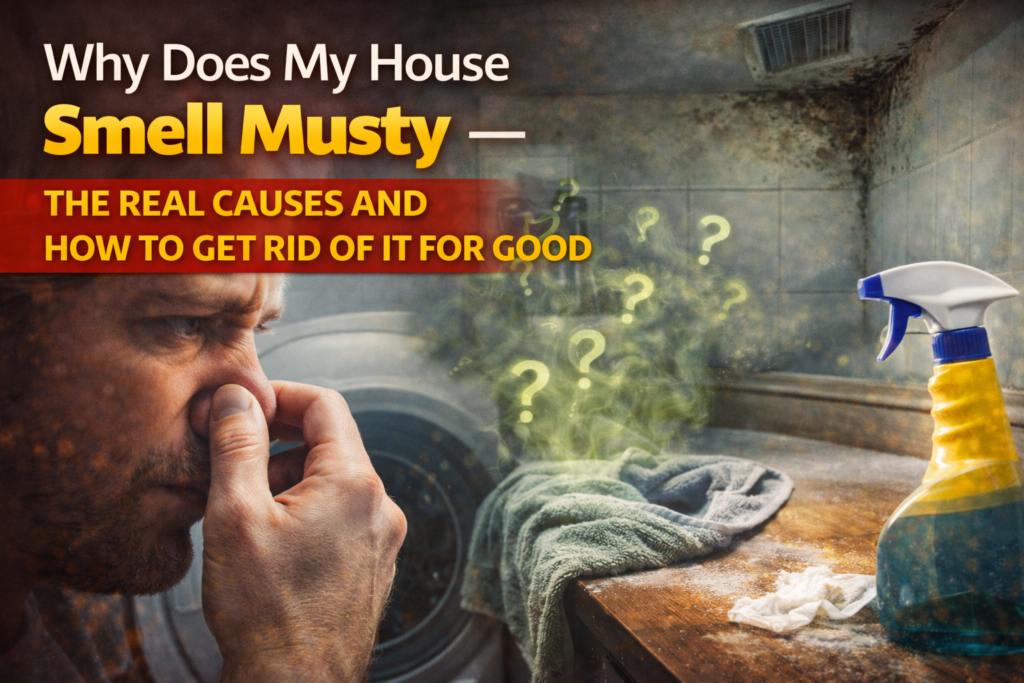
Kill Mold and Stains Before They Spread
As an Amazon Associate I earn from qualifying purchases.Mold and mildew are one of those problems that get worse the longer you wait. You might
A beautiful kitchen can still frustrate you every day if the island blocks movement, the trash sits far from prep space, or outlets land in the wrong spots. These remodeling lessons cover workflow, storage, lighting, budget surprises, and the shortcuts that age badly.
A well pump that trips the breaker can mean a wiring, motor, pressure switch, or pump problem. Here is how I narrow it down safely.
A clicking well pump may be normal, or it may signal a bad tank, pressure switch, low water, or electrical problem. Here is how I tell.
A wobbly leg or cracked surface does not mean an old wooden piece belongs at the curb. Assess the damage first, then clean, repair, and sand before choosing a finish that suits both the wood and the look you want.
Skip the arm workout and repurpose a jigsaw into a paint can shaker with a sturdy clamp. This DIY setup is meant for small to medium cans, uses a low-speed setting, and helps mix paint thoroughly while keeping the process contained.
Strong brackets and properly placed wall anchors matter more than fancy finishes when corner shelves will hold books, kitchenware, or plants. This guide walks through measuring, cutting triangular or other shelf shapes, mounting them securely, and choosing materials for each room.
A stuck well pressure gauge can hide the real problem. Here is how I tell whether the gauge, pressure switch, tank, or pump needs attention.
A bad well pressure switch can stop your water or run the pump ragged. Here is how I recognize the warning signs before guessing.
Shower pressure dropping on well water usually points to the tank, pump, filter, or flow demand. Here’s how I tell which one.
A constantly running well pump can mean heavy water use, a leak, low well water, bad controls, or a pump that cannot build pressure.
A well pump should run in steady cycles, not every few seconds. Here’s what normal cycling looks like and when I start worrying.