
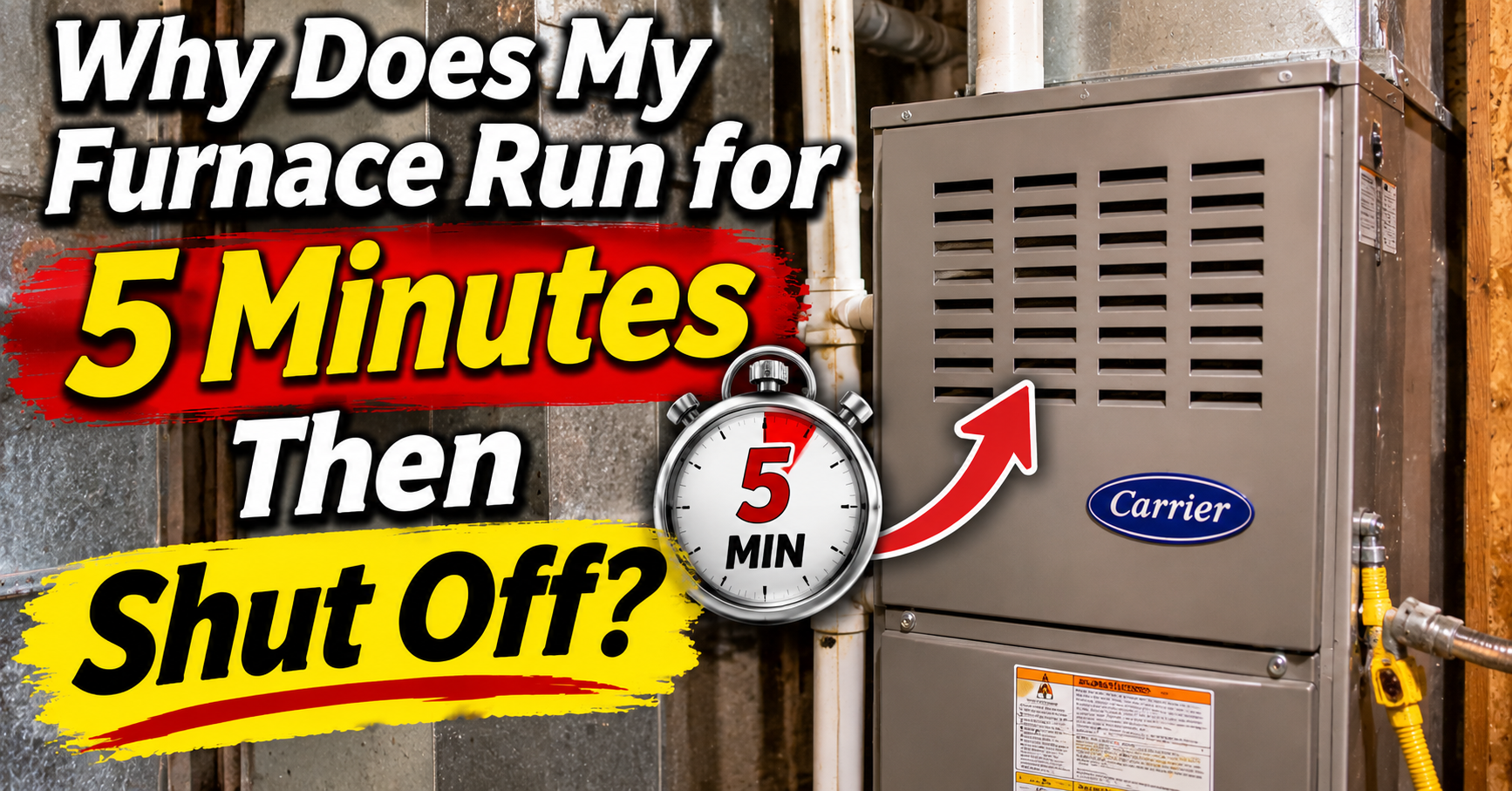
A furnace that turns on, runs for a few minutes, shuts off, then starts the whole show over again is not working the way it should.
This problem is called short cycling. The furnace is trying to heat the house in short, choppy bursts instead of running a steady heating cycle long enough to do its job.
The good news is that sometimes the fix is as simple as a dirty filter or blocked vent. The bad news is that a furnace can also short cycle because a safety switch is shutting it down to prevent overheating.
The timing tells you a lot.
First, notice whether it shuts off after seconds or minutes
A furnace that shuts off after two or three seconds is different from one that runs for five minutes, gets hot, and then shuts down.
If the burners light and go out almost immediately, that can point toward a flame-sensing problem. The furnace sees the flame, but it does not get the signal it needs to prove the flame is safe to keep burning. It shuts the gas off on purpose.
If the furnace runs for several minutes and the blower keeps going after the burners shut off, overheating and airflow problems move much higher on the list.
That difference can save you from going down the wrong rabbit hole.


A dirty filter is the first thing I would rule out
A clogged furnace filter can choke off airflow through the system.
Your furnace needs enough moving air to carry heat away from the heat exchanger. When airflow is restricted, heat builds up inside the unit. The high-limit safety switch senses the temperature getting too high and shuts the burners down before something more serious happens.
The blower may continue running because it is trying to cool the furnace back down.
Then, after a few minutes, the furnace cools enough to try again. It fires, heats up too fast, shuts down, cools down, and repeats the same miserable loop.
Pull out the filter and inspect it in good light. If it looks gray, packed with dust, bowed inward, or covered in pet hair, replace it.
Do not assume a thicker, more expensive filter is always better. A high-MERV filter can be too restrictive for some older systems, especially if the return ductwork is already small.


Check every supply vent and return grille
Closing vents in unused rooms seems like an easy way to push more heat toward the rooms you use. In real life, it can reduce airflow enough to cause problems.
Walk through the house and make sure supply vents are open. Check that return grilles are not covered by furniture, curtains, laundry baskets, dog beds, or the kind of random household clutter that seems to multiply when nobody is looking.
A return grille is especially important. Your furnace cannot send warm air out if it cannot pull enough air back in.
If the filter is clean and several vents or returns were blocked, open everything up and give the furnace a little time to settle back into normal cycles.
Your thermostat may be ending the cycle too early
A thermostat that reads the room wrong can tell the furnace the house is warm when the rest of the house is still chilly.
This can happen when the thermostat is near a sunny window, exterior door, supply vent, fireplace, kitchen, lamp, or another heat source. A blast of warm air can hit the thermostat and convince it the job is done too soon.
The thermostat can also have a wiring or power issue.
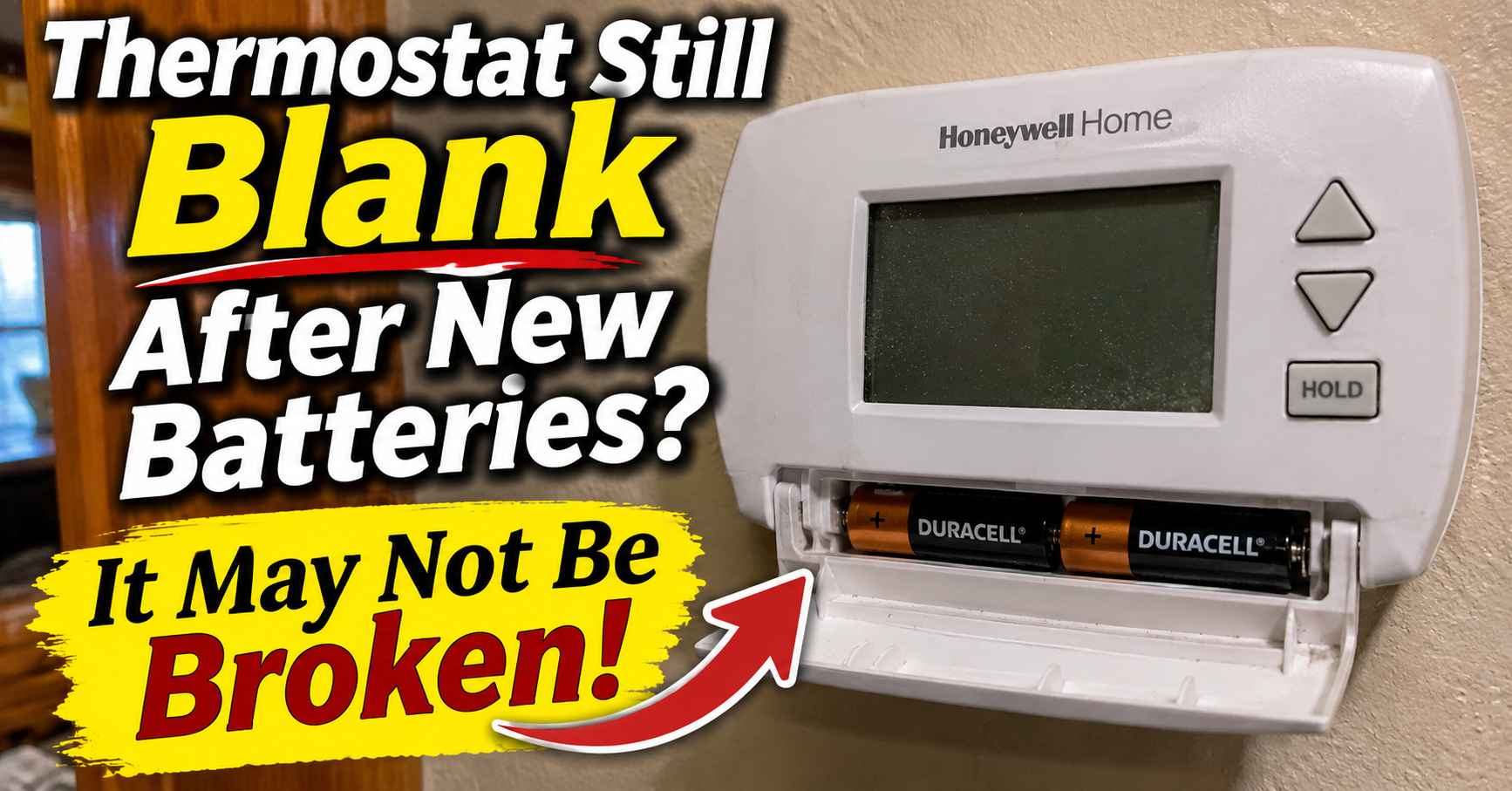
If yours has been acting strange, losing settings, showing odd temperatures, or going blank, it is worth reading what a blank thermostat can mean even after new batteries. A thermostat that is not getting consistent power can cause more than one confusing heating symptom.
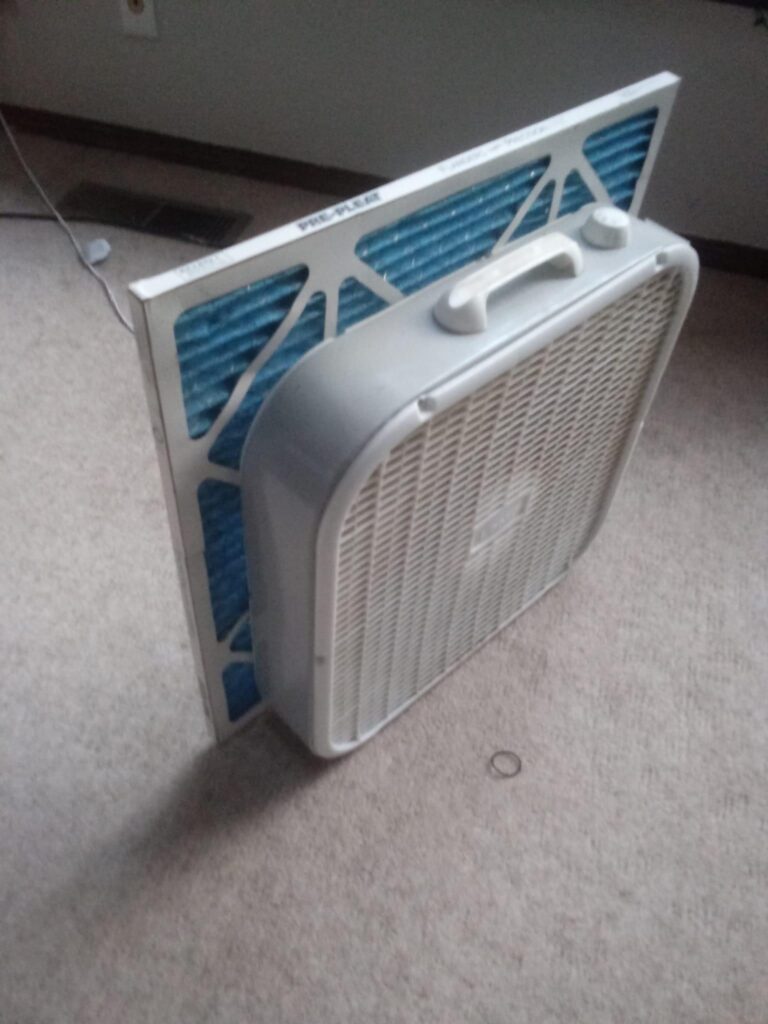


An overheating furnace may be protecting itself
A furnace has safety switches for a reason.
If airflow is poor, the blower is weak, the evaporator coil is clogged, or a return duct has a restriction, the furnace can get hotter than it should. The high-limit switch shuts the burners off before excessive heat damages the system.
That safety shutdown is not the problem. It is the furnace warning you that something else needs attention.
A few clues that overheating may be happening:
- The furnace runs for several minutes before the burners shut off.
- The blower keeps running after the burners stop.
- The air from the vents gets very hot before it turns cooler.
- The furnace tries again after it has had a few minutes to cool down.
- You notice a hot, dusty, or slightly burning smell.
A dusty smell during the first furnace use of the season can be normal. A strong burning smell, hot electrical smell, or repeated overheating is not something I would ignore.
A dirty flame sensor usually creates a faster shutdown
The flame sensor is a small metal rod near the burners. Its job is to confirm that the gas flame is actually there.
If the sensor is dirty or cannot detect the flame correctly, the control board shuts off the gas as a safety measure. The burners may light beautifully, then go out a few seconds later.
That is not the same pattern as a furnace that runs for five minutes and overheats.
A dirty flame sensor is a common repair, but it is also close to gas, burners, electrical parts, and safety controls. If you are not already comfortable working around a furnace, I would leave that one to an HVAC technician.
Never bypass a flame sensor, pressure switch, or limit switch to make the furnace keep running. Those parts are not optional annoyances. They are there to keep a small problem from becoming a dangerous one.
Look at the furnace’s blinking light before resetting anything
Many furnaces have a small diagnostic light that flashes a code through a viewing window on the front panel.
If the furnace has shut down and is flashing, count the pattern before turning off power or hitting the reset button. A code can give an HVAC technician a much better clue about whether the problem involves airflow, ignition, flame sensing, venting, or a pressure switch.
Take a quick picture of the light pattern with your phone if you can. It is easy to forget whether it blinked two times, three times, or a strange little Morse-code-looking sequence after the furnace starts acting normal again.
Use the legend printed on the furnace panel or the manual for your exact model. Blink codes are not universal.
A clogged exhaust or intake pipe can shut down a high-efficiency furnace
If your furnace has white PVC pipes running outside, those pipes are part of its venting and combustion-air system.
Snow, ice, leaves, bird nests, insects, or debris can block them. When that happens, the furnace may shut down because it cannot safely vent combustion gases or pull in the air it needs.
You can safely look at the exterior pipe openings from outside. If they are visibly blocked by snow, leaves, or a nest, clear the obvious obstruction around the opening.
Do not disassemble vent piping, stick tools deep into the pipe, or mess with anything connected to the gas system. A blockage farther inside or a venting problem that keeps coming back needs professional attention.


An oversized furnace can short cycle from day one
Not every short-cycling problem is caused by a failed part.
A furnace that is too large for the house can warm the area around the thermostat very quickly, satisfy the thermostat, shut off, and then repeat the cycle again once the temperature drifts down.
This usually shows up as uneven rooms, hot-and-cold swings, noisy starts, and a furnace that has seemed to cycle too often ever since it was installed.
The answer is not guessing based on square footage. Proper furnace sizing depends on insulation, windows, ductwork, climate, ceiling height, and the actual heat loss of the home.
That is a contractor conversation, but it helps to know that short cycling does not always mean your furnace is simply old or failing.
What I would safely check before calling for service
- Replace a dirty filter with the correct size and type.
- Open all supply vents and make sure return grilles are clear.
- Check that the thermostat is set to heat, fan is set to auto, and the temperature setting is above the current room temperature.
- Look for a blinking diagnostic code and take a picture before resetting power.
- Check the outdoor ends of PVC vent pipes for obvious snow, ice, leaves, or nests.
- Notice exactly how long the furnace runs before it shuts down and whether the blower keeps running afterward.
Those details make the service call more useful because the technician is not starting from, “It turns off sometimes.”
When I would turn it off and call somebody
Shut the furnace down and call an HVAC professional if you smell gas, smell burning wiring, hear booming or banging at startup, see soot, notice flames outside the burner area, or suspect the furnace is overheating repeatedly.
I would also call if the furnace continues short cycling after a clean filter, open vents, and normal thermostat settings.
A furnace that keeps stopping itself is usually trying to protect something. The goal is not to force it to keep running. The goal is to figure out what is making it stop.