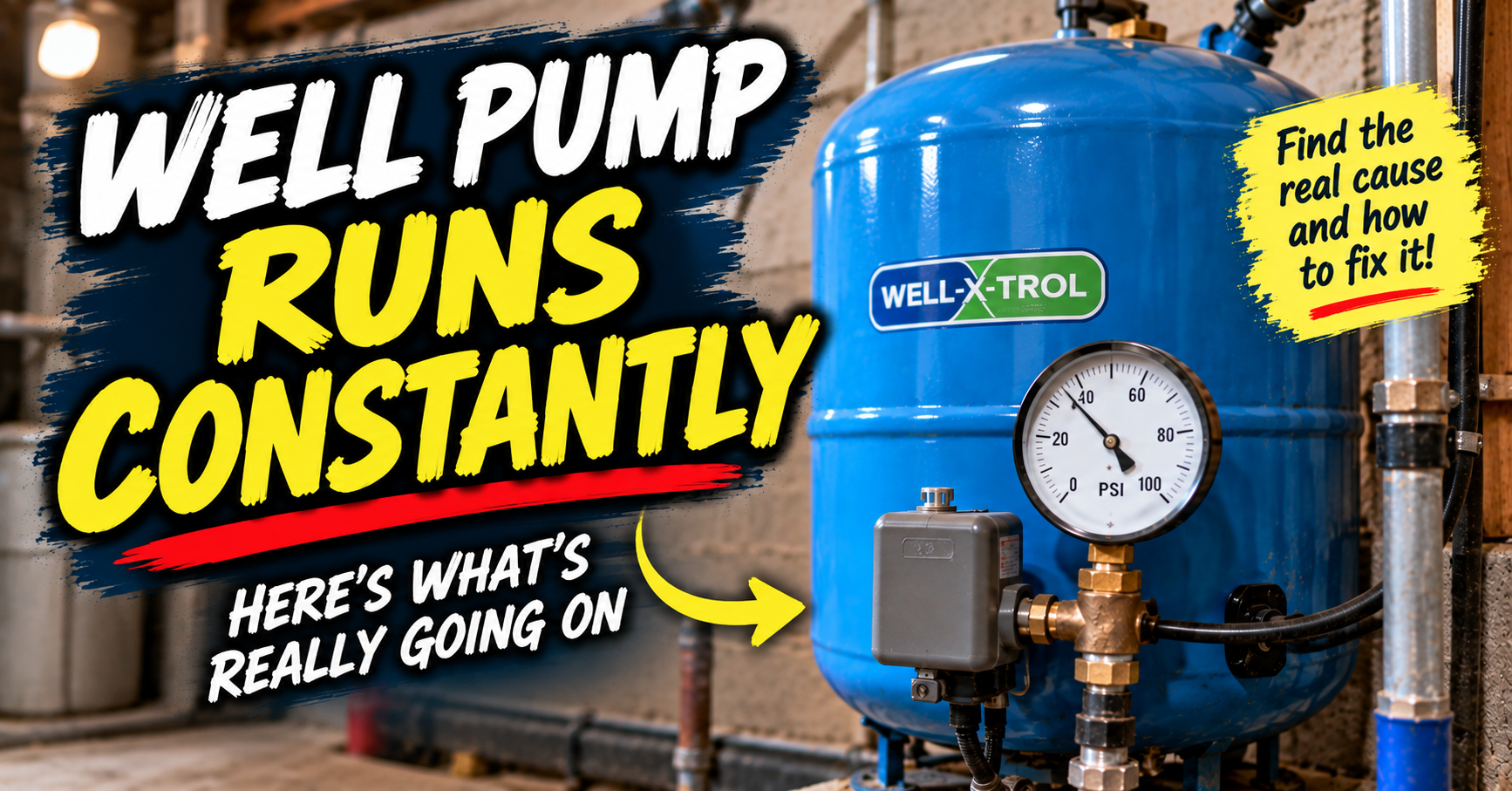
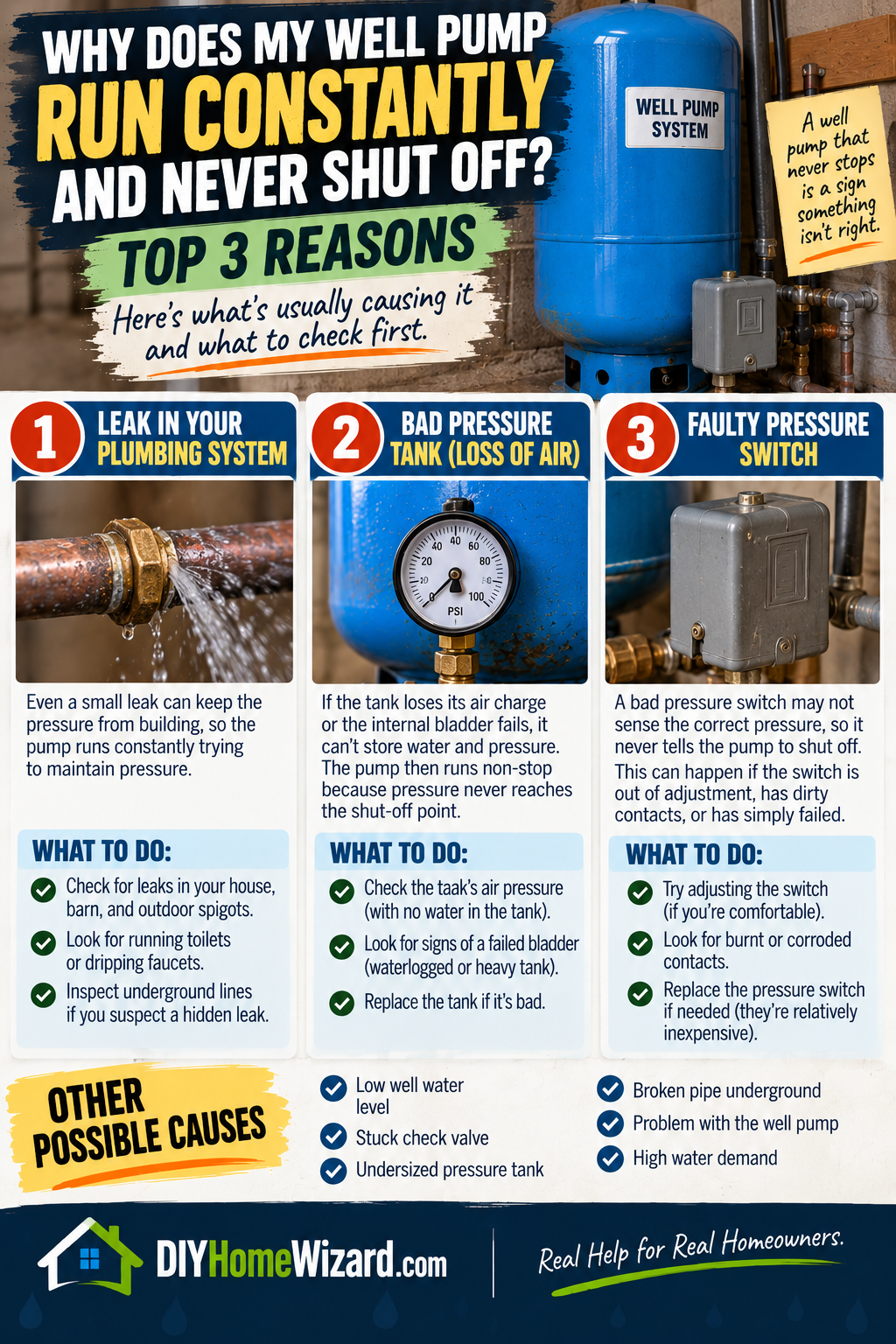
A well pump that runs constantly is usually unable to reach the pressure switch’s shutoff setting, or the house is using water as quickly as the pump can supply it. Common causes include a hidden leak, broken underground pipe, low water level, clogged pump intake, worn pump, incorrect pressure setting, or damaged pressure-switch connection.
There is one important exception. A constant-pressure well system may intentionally run throughout a shower or other water use. That can be normal because the controller adjusts pump speed to match demand.
With a traditional pressure-switch system, I expect the pump to shut off after water use ends and the pressure tank refills. If every faucet is closed and the pump just keeps humming along, I do not let it run all afternoon while hoping it remembers how to stop.
When Is a Constantly Running Well Pump Normal?
A well pump can run continuously during heavy water use without anything being wrong.
If I am watering a large garden, filling a stock tank, running several sprinklers, or using multiple fixtures, the system may be consuming nearly everything the pump produces.
The pump cannot refill the pressure tank until its output exceeds the amount of water being used. As long as demand remains high, it may stay on.
A pump can also run through an entire shower. If the shower uses 2.5 gallons per minute and the pump supplies only slightly more than that after accounting for the well depth and pressure, the tank may refill very slowly.
What matters is what happens when I stop using water.
After closing every fixture, a healthy traditional system should build pressure to the switch’s cut-out setting and shut the pump off. This may take a little time, but the gauge should keep climbing.
If the pressure stalls below cut-out and the pump continues running, I have a problem to track down.


How Long Should a Well Pump Run Before Shutting Off?
There is no single maximum run time that applies to every pump.
Some submersible pumps are capable of continuous operation when properly installed, adequately cooled, and supplied with enough water. Running is not automatically what damages a pump.
Starting and stopping too frequently can actually be harder on the motor than one steady run. That is why pressure tanks are sized to provide reasonable pump run times.
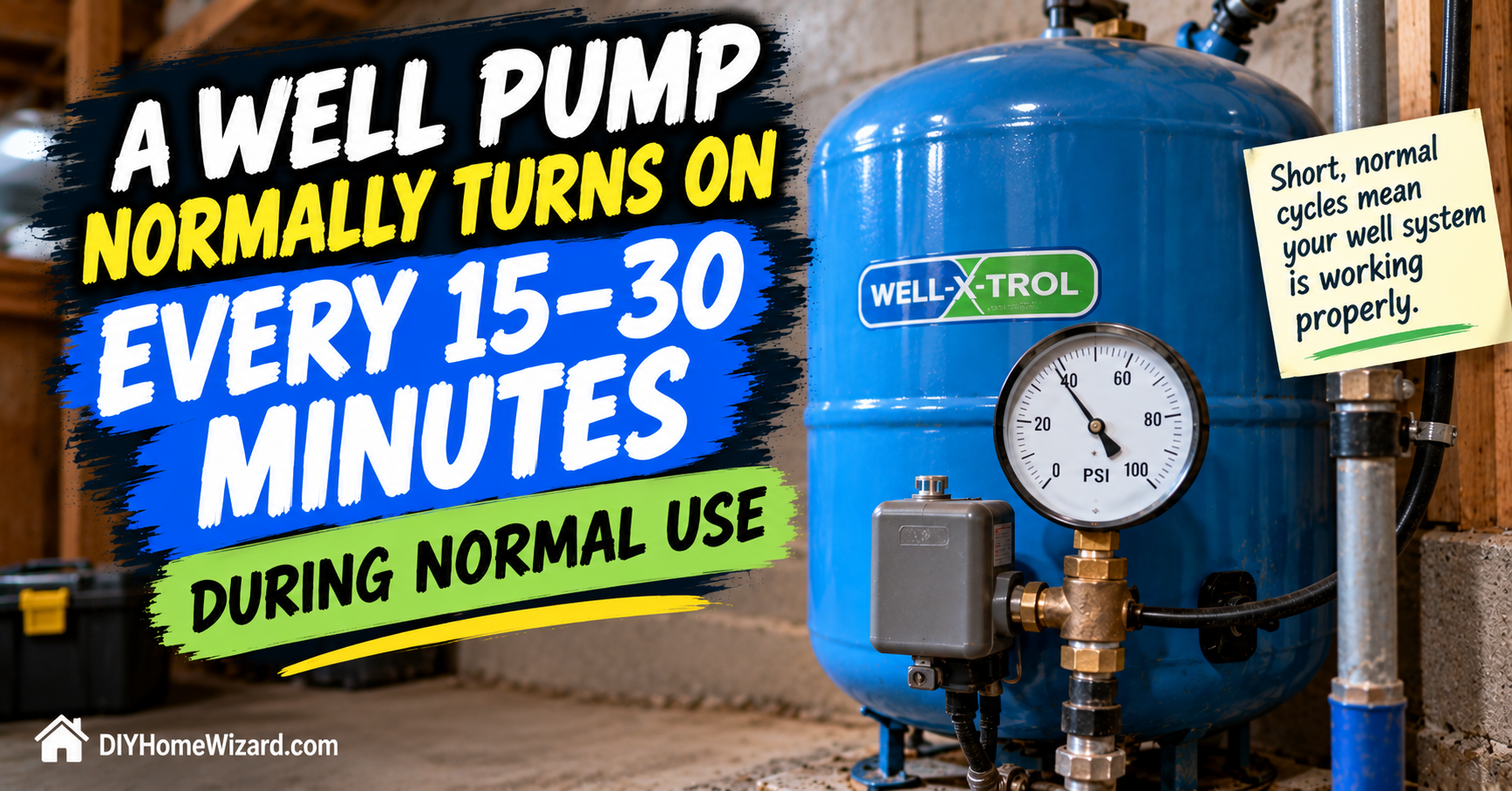
Our guide explaining how often a well pump should turn on during normal use covers the difference between healthy cycling and damaging short cycles.
I become concerned when the pump continues running after all water use stops, pressure does not keep rising, or the pump suddenly runs much longer than it used to.
A pump that needs two minutes to refill the tank may be operating normally. A pump that runs for 20 minutes while every faucet is closed and never reaches cut-out pressure needs attention.

The Pressure Gauge Tells Me Where to Start
Before blaming the pump, I watch the pressure gauge.
A gauge gives me a simple look at whether the pump is actually building pressure.
I normally see one of four patterns:
- Pressure rises normally and the pump shuts off.
- Pressure rises, but much more slowly than it used to.
- Pressure rises to a certain point and stops climbing.
- The gauge barely moves even though the pump continues running.
The third pattern is especially common when a pump cannot reach the switch’s cut-out setting.
For example, a 40/60 system should normally shut off near 60 PSI. If the pump climbs to 52 PSI and stays there, the pressure switch continues waiting for a number the pump cannot reach.
The pump does not know that it has been running too long. It only knows the switch is still calling for water.
Our practical water-pressure gauge testing guide explains how I compare readings while fixtures are open and closed.
If the gauge appears stuck, jumps strangely, or does not return to zero when the system is drained, I verify it before trusting the reading.
First I Make Sure Water Is Not Still Being Used
This sounds obvious, but hidden water use causes more confusion than people expect.
The washing machine may be filling. A water softener may be regenerating. An irrigation valve may be open. A toilet may be quietly leaking.
I check the entire property, not just the kitchen and bathrooms.
Possible water users include:
- Toilets.
- Washing machines.
- Dishwashers.
- Ice makers.
- Humidifiers.
- Water softeners.
- Reverse-osmosis systems.
- Livestock waterers.
- Outdoor hydrants.
- Irrigation systems.
- Pool-filling equipment.
- Automatic filter backwashing systems.
A regenerating softener can use water for an extended period, often late at night. That can make the pump appear to be running for no reason.
I check the treatment equipment and listen for water entering a drain. If everything should be off but water continues flowing through a drain line, the treatment system may be stuck in a cycle.


A Hidden Plumbing Leak Can Keep the Pump Running
A large enough leak can prevent the well system from reaching shutoff pressure.
The pump sends water into the system, but some of that water escapes before pressure can build. The pump keeps running because the pressure switch never reaches cut-out.
A small leak may cause occasional cycling. A larger leak can make the pump run continuously.
I look for:
- Water around the pressure tank.
- Dripping filter housings.
- Leaking water-heater connections.
- Wet areas in a basement or crawl space.
- Outdoor faucets that will not close.
- Unusually wet ground.
- Hissing inside walls.
- Toilets that constantly refill.
- Water flowing through treatment drains.
- A sudden increase in electricity use.
Not every leak leaves a puddle where I can see it. Water may be escaping underground, inside the well, beneath the house, or through a drain.
If the pump cannot build pressure with the house isolated from the well system, the problem is probably located upstream of the household plumbing.
Isolation testing should be done carefully because closing the wrong valve can allow the pump to build dangerous pressure against a closed line.
A Broken Underground Water Line Is a Serious Possibility
The buried pipe between the well and house can crack, split, pull apart, or develop a leaking connection.
This is one of the more serious causes of a constantly running well pump because a large amount of water may be pumped directly into the ground.
Clues can include:
- A sudden pressure loss throughout the house.
- A pump that runs continuously.
- Muddy or unusually wet ground between the well and house.
- A soft area in the yard.
- Water collecting near the foundation.
- Air or sediment appearing after the system loses pressure.
- The problem beginning after excavation or heavy equipment crossed the line.
- Trouble appearing during or after freezing weather.
A broken line does not always create an obvious wet spot. Deep soil, drainage, and dry weather can hide the escaping water.
Pentair’s well-water troubleshooting information notes that a continuously running pump may indicate a broken line somewhere in the system.
I do not leave the pump running if I suspect a major underground leak. It may continue wasting water, lower the well level, and overwork the pump.



Can a Running Toilet Keep the Pump On Constantly?
A normal toilet leak usually causes periodic cycling rather than truly continuous pump operation.
However, a badly stuck fill valve or large toilet leak can consume enough water to keep a small well system busy.
I remove the toilet-tank lid and listen. If the fill valve continues running long after a flush, I close the toilet’s supply valve and watch the well pressure.
For a quieter flapper leak, I place food coloring in the toilet tank and wait without flushing. Color appearing in the bowl shows that water is slipping past the flapper.
I check every toilet. The first one may be innocent while the rarely used basement toilet has been quietly operating its own indoor waterfall.
If closing the toilet supplies allows well pressure to rise normally, I have found a household problem rather than a failing pump.
Could the Pressure Switch Be Set Too High?
A pressure switch tells the pump when to start and stop. If its cut-out setting is higher than the pump can reach, the pump runs indefinitely.
This can happen after someone adjusts the switch hoping to improve household water pressure.
A pump that comfortably reaches 50 PSI may struggle to reach 60 PSI. Its ability depends on pump design, well depth, water level, pipe size, voltage, and system condition.
Increasing the switch setting does not make the pump stronger.
It simply moves the finish line farther away.
If the pump reaches a certain pressure and stays there, I consider whether the cut-out setting was recently changed.
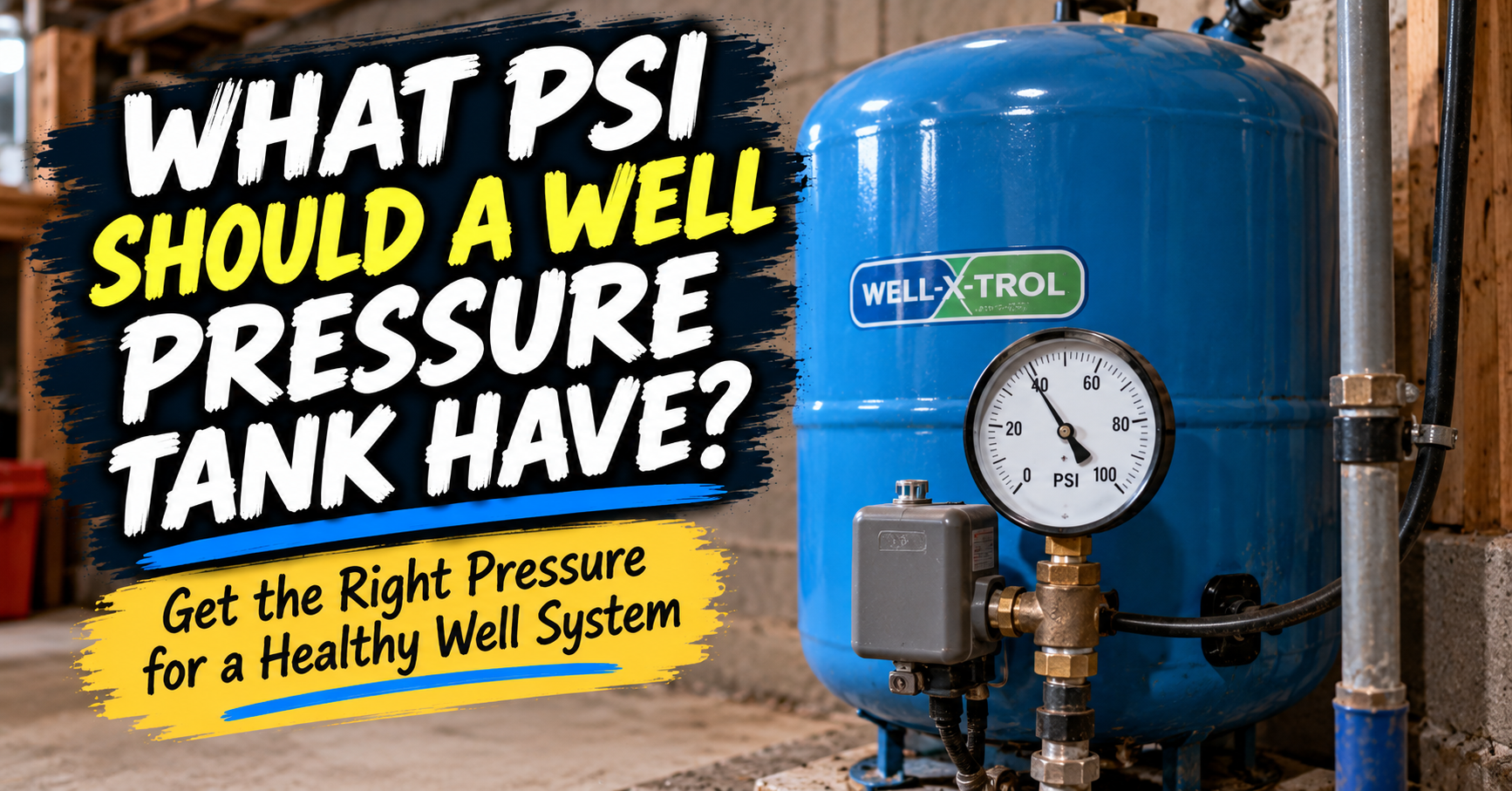
The correct pressure-tank PSI and switch relationship also matters whenever the system settings are changed.
Pentair’s pressure-switch instructions warn that switch adjustments must remain within the pump and system’s capabilities. The pump’s dead-head pressure, tank rating, and plumbing limits all matter.
I do not adjust a live pressure switch. Its exposed contacts carry electricity, and incorrect adjustment can cause overpressure or keep the pump running.


Can the Pressure Switch Be Stuck Closed?
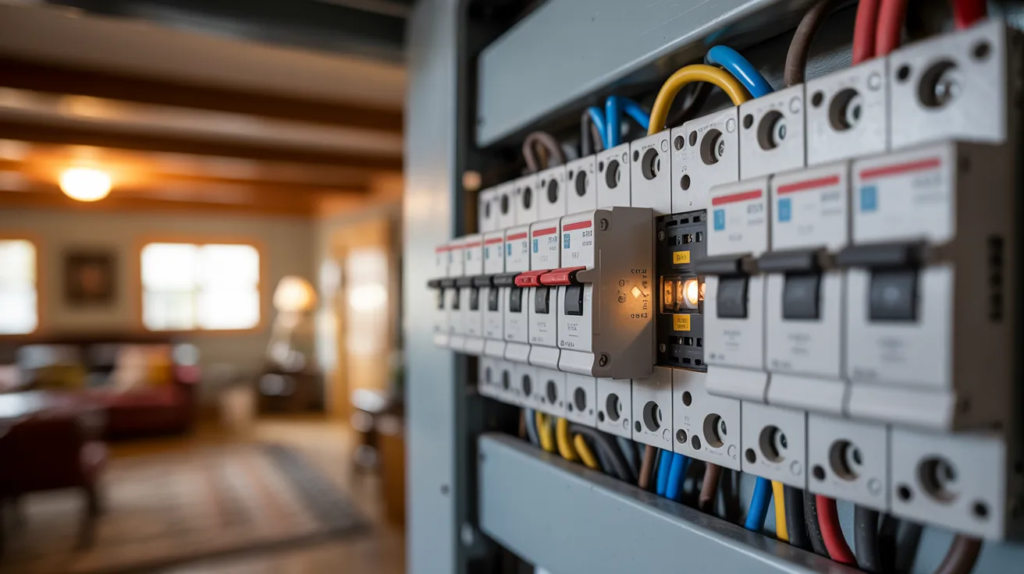
Yes. Worn, damaged, welded, or contaminated electrical contacts can prevent the pressure switch from opening normally.
The pump may continue running even after system pressure reaches or passes the expected cut-out point.
This is a more urgent situation than a pump that simply cannot reach cut-out pressure.
If the gauge climbs above the normal shutoff setting and continues rising, I shut off electrical power to the pump. I do not stand there waiting to see how high it goes.
Possible signs of switch trouble include:
- Pressure rising past the usual cut-out point.
- Electrical chattering.
- Burned or discolored switch parts.
- A hot electrical smell.
- Visible sparking.
- Melted insulation or plastic.
- A pump that continues running despite high pressure.
The pressure tank, pipes, filters, and fixtures all have pressure limits. The system should also have an appropriate pressure-relief valve, but I do not depend on that valve as the normal way to stop the pump.
A Clogged Pressure-Switch Nipple Can Confuse the Controls
The pressure switch normally senses water pressure through a small pipe, tube, or nipple.
That opening can become clogged with rust, iron, sediment, or mineral deposits.
The actual system pressure may rise normally, but the blockage prevents the switch from sensing the change quickly. The pump continues running because the switch still “thinks” pressure is low.
A clogged connection can also cause delayed starts, inconsistent cut-in pressure, chattering, or pressure that rises higher than expected.
I become suspicious of the sensing connection when:
- The switch operates at inconsistent pressures.
- The gauge and switch behavior do not match.
- The system contains heavy iron or sediment.
- The fitting beneath the switch is visibly corroded.
- Pressure rises beyond the expected cut-out point.
- The switch responds late after pressure changes.
Inspecting or cleaning this connection requires shutting off electrical power and relieving water pressure. I leave it to a qualified person when wiring or electrical contacts are involved.
The tiny fitting may cost very little. The trouble it creates can look impressively expensive.


Could a Clogged Filter Make the Pump Run Constantly?
It depends on where the filter is located.
In many traditional systems, the pressure tank and switch are installed before the whole-house filter. A clogged filter then restricts flow to the house, but the pump can still fill the pressure tank and shut off normally.
The homeowner experiences weak water flow even though the pump controls appear to work.
If a restrictive device is installed between the pump and the pressure-sensing equipment, it can interfere with pressure control and tank filling. That arrangement needs to be evaluated against the equipment manufacturer’s installation requirements.
I look at the actual plumbing layout instead of assuming every system is built the same way.
A dirty filter can also cause long pump runs during household use because the restricted flow changes how water moves through the system. Once every fixture is closed, however, pressure should still recover and the pump should stop.
If replacing or safely bypassing the filter restores normal performance, the pump may have been innocent.
What If the Well Is Running Low on Water?
A low water level can prevent the pump from producing its normal flow.
The pump may continue running while pressure rises slowly or not at all. Faucets may sputter, and the water may contain air or newly disturbed sediment.
This often appears during:
- Drought.
- Heavy irrigation.
- Pool filling.
- Several loads of laundry in a row.
- High household demand.
- Increased nearby groundwater pumping.
- Seasonal drops in groundwater.
- Declining well yield.
- Well-screen clogging.
- A pump installed too high relative to the current water level.
If water pressure returns after the well rests, low well yield becomes more likely.
Groundwater does not refill every well at the same speed. A well may store a useful column of water but recover too slowly for sustained high demand.
Franklin Electric lists a falling water level, an over-pumped well, blocked flow, or a worn pump among possible causes of reduced pump output.
I do not repeatedly restart a pump that may be running dry. Many submersible motors depend on surrounding water for cooling, and dry operation can damage the pump.
Does One Heavy Rain Refill a Dry Well?
Not necessarily.
Rain must soak into the ground and move through soil and rock before it can recharge the groundwater supplying a well.
A shallow aquifer may respond sooner than a deep one, but even then, one downpour does not guarantee an immediate recovery.
Heavy rain can run off the surface instead of soaking deeply. The ground may also be too dry, frozen, compacted, or already saturated to absorb water effectively.
The National Ground Water Association explains that groundwater recovery can require several slow, soaking rains. Deeper groundwater supplies may take much longer to respond.
If a pump begins running continuously during drought or unusually high water use, I reduce demand and arrange a professional flow test.
A contractor can measure the static water level, pumping water level, and recovery rate. Those numbers help distinguish a weak pump from a well that cannot currently supply enough water.
Could the Pump Be Worn Out?
A worn pump may still run but produce less flow or pressure than it once did.
Internal impellers can wear. Sand and sediment can damage pump components. Corrosion, age, motor problems, and improper operating conditions can also reduce performance.
The pump may reach 45 or 50 PSI but never make it to the 60 PSI shutoff setting.
Possible signs of a worn or damaged pump include:
- Pressure rising much slower than before.
- The pump failing to reach cut-out pressure.
- Reduced water flow throughout the house.
- Increasing electricity use.
- New grinding or humming noises.
- Sediment appearing with poor flow.
- The breaker tripping.
- Performance worsening over time.
A professional can measure motor amperage, voltage, pump output, and water levels inside the well.
Those tests are more useful than replacing the pressure switch because it is the easiest component to reach.
The pump may be buried hundreds of feet away from me, but its pressure and electrical performance still leave clues above ground.
Can a Damaged Pump Pipe Leak
Meta Title: Why Does My Well Pump Run Constantly and Never Shut Off?
Meta Description: A well pump that never shuts off may have a leak, low water level, bad switch, clogged line, or worn pump. Here’s how I narrow it down.
A well pump that runs constantly is usually unable to build enough pressure to reach the pressure switch’s shutoff setting. Common causes include a large water demand, plumbing leak, broken underground line, clogged filter, low well-water level, blocked pump intake, worn pump, or faulty pressure switch.
I treat a constantly running well pump as something worth checking right away. The pump may be designed for long run times, but it should eventually shut off after all faucets and water-using appliances stop.
If it keeps running while the entire house is quiet, the system is either losing water, struggling to move water, or failing to recognize that enough pressure has been reached.
Sometimes the explanation is simple. Other times, the pump is hundreds of feet underground fighting for its life while everyone upstairs wonders why the basement is humming.
How Long Can a Well Pump Run Normally?
A well pump can run for several minutes without anything being wrong.
Long showers, washing machines, irrigation systems, garden hoses, livestock waterers, and multiple fixtures can keep a pump running. If water demand is close to the pump’s output, the pressure tank may refill slowly.
The pump should normally shut off after water use ends and system pressure reaches the pressure switch’s cut-out setting.
For example, a typical 40/60 system starts the pump near 40 PSI and stops it near 60 PSI. A 30/50 system starts near 30 PSI and stops near 50 PSI.
If I close every faucet and the pressure steadily climbs to the cut-out setting, a longer run may be normal.
If pressure stalls below cut-out and the pump continues running, I have a problem to find.
Our guide explaining how often a well pump should turn on during normal use provides a closer look at normal run time, pressure-tank drawdown, and excessive cycling.
Is a Well Pump Supposed to Run Continuously?
A conventional fixed-speed well pump is not normally supposed to run continuously when no water is being used.
It can run continuously during heavy water demand. It should then reach cut-out pressure and shut down once the demand ends.
A variable-speed or constant-pressure system operates differently. Its pump may run for the entire time water is being used because the controller adjusts pump speed to maintain a steady pressure.
That can be completely normal.
Before diagnosing anything, I identify which type of system I have.
A conventional system usually has a larger pressure tank and a mechanical pressure switch. A constant-pressure system often has an electronic controller, variable-frequency drive, and smaller tank.
Franklin Electric explains that constant-pressure well systems adjust pump output as water demand changes. I do not apply traditional fixed-speed cycling expectations to one of those systems.
However, even a variable-speed pump should normally enter standby after all water use ends. A pump that continues running indefinitely still deserves attention.
Check Whether Something Is Actually Using Water
Before blaming the pump, I make sure the property is not quietly using water somewhere.
I turn off every faucet and appliance I can identify. I check the washing machine, dishwasher, water softener, ice maker, humidifier, outside hydrants, irrigation system, and livestock waterers.
Then I listen.
A toilet is one of my first suspects. A worn flapper can leak water into the bowl so quietly that nobody notices. The fill valve periodically opens, and the well system keeps replacing the lost water.
Water-treatment equipment can be sneaky too. A softener may be regenerating, a filter may be backwashing, or a treatment valve may be stuck while sending water down the drain.
I also walk outside. A hose left barely open or a leaking hydrant can use enough water to keep pressure from reaching the pump’s shutoff setting.
It is better to find a forgotten garden hose than order a new pump. That is the kind of diagnosis everyone enjoys.
Watch the Pressure Gauge Before Touching Anything
The pressure gauge is the first instrument I watch when a well pump will not shut off.
I close all known fixtures and note what the needle does.
The gauge will usually show one of several patterns:
- Pressure rises normally and the pump shuts off.
- Pressure rises very slowly but eventually reaches cut-out.
- Pressure rises to a certain point and stops climbing.
- Pressure remains extremely low while the pump runs.
- The gauge needle does not move at all.
- Pressure climbs above the normal cut-out setting.
Each pattern points me in a different direction.
If the pump reaches cut-out pressure and shuts off, there may have been an active water demand I overlooked.
If pressure stalls below cut-out, I suspect water loss, reduced pump output, low water level, a restriction, or a switch set higher than the pump can reach.
If pressure climbs beyond the normal shutoff setting, I shut off power immediately. A switch or pressure-sensing problem may be allowing dangerous overpressure.
Our practical water-pressure gauge testing guide explains how I use pressure changes to understand what the system is doing.
A Large Water Demand May Be the Whole Explanation
Sometimes the well pump runs constantly because the property is using nearly everything the pump can provide.
A pump producing 10 gallons per minute may run continuously while several fixtures together use 9 or 10 gallons per minute. There is little extra capacity available to refill the pressure tank.
Common high-demand situations include:
- Filling a swimming pool.
- Running lawn sprinklers.
- Watering a large garden.
- Filling livestock tanks.
- Operating several showers.
- Washing clothes while the dishwasher runs.
- Using multiple outside hoses.
- Having overnight guests who all discovered the shower at once.
The pump may shut off normally after demand decreases.
I test this by stopping the large water use and watching the gauge. If pressure climbs to cut-out and the pump shuts off, the equipment may be functioning properly.
The system may simply be undersized for the peak demand.
That does not necessarily mean a new pump is the answer. The well must also produce enough water to support a larger pump. Installing more pump than the well can supply can create an entirely different problem.
A Plumbing Leak Can Keep the Pump Running
A large leak may release water as quickly as the pump supplies it.
The pressure gauge may climb partway and then stop. The pump keeps running because the system never reaches cut-out pressure.
I look for obvious leaks around:
- The pressure tank.
- The tank tee and fittings.
- Filter housings.
- Water heaters.
- Toilets.
- Crawl-space plumbing.
- Outside faucets.
- Yard hydrants.
- Irrigation valves.
- Water-treatment equipment.
Not every leak creates a visible puddle inside the house. A broken pipe in a crawl space may drain into the ground. An underground leak may remain hidden for quite a while.
If I have a main shutoff after the pressure tank, a professional may use it to isolate the house from the well equipment. This helps determine whether the pressure loss is inside the household plumbing or between the well and pressure tank.
I do not close random valves while the pump runs unless I understand the system. Deadheading a pump against a closed discharge can create excessive pressure, heat, or equipment damage.
A Broken Underground Water Line Is a Serious Possibility
The buried line between the well and the house can crack, separate, freeze, or develop a leaking fitting.
When that happens, the pump may send part or all of its water into the ground instead of the pressure tank.
Possible clues include:
- The pump runs constantly.
- Pressure stays low.
- The house receives weak or no water.
- A wet or unusually green area appears between the well and house.
- Soil settles along the buried line.
- Air enters the plumbing.
- The problem began after freezing weather or excavation.
- The pump runs even when the house plumbing is isolated.
A large underground leak does not always appear at the surface. Water may travel through gravel, disturbed soil, or another underground path.
Pentair’s well-water troubleshooting information notes that a constantly running pump can be caused by a broken line within the system.
If I suspect a buried break, I stop unnecessary pump operation and call a well or plumbing professional. Running the pump continuously may waste electricity, overwork the motor, and wash away soil around the damaged line.
A Leaking Check Valve Can Send Water Back Toward the Well
A check valve allows water to move toward the house while preventing it from flowing backward after the pump stops.
When the valve leaks, system pressure may fall because water returns toward the well.
A mildly leaking check valve usually causes the pump to restart periodically rather than run constantly. A severe failure can contribute to much more frequent or extended operation.
I watch what happens after the pump shuts off.
If pressure immediately begins falling while nobody uses water, something is leaking or allowing backward flow.
The culprit could be a check valve, household fixture, underground pipe, or equipment connection. The pressure behavior tells me water is escaping, but it does not prove where.
Check valves may be located down in the well or near the pump. Reaching them can require pulling equipment and should be handled by a qualified well professional.
I do not start adding extra check valves everywhere just because the pressure falls. Poorly placed valves can hide problems and affect how the system operates.
The Pressure Switch May Be Set Too High
The pressure switch tells the pump when to start and stop.
If someone raises the cut-out setting beyond what the pump can produce, the pump may run continuously while trying to reach an impossible pressure.
For example, a worn pump may comfortably reach 50 PSI but struggle to reach 60 PSI. Changing from a 30/50 switch to a 40/60 setting can leave that pump running without ever satisfying the switch.
Well depth and elevation matter too. The pump uses part of its available force lifting water before it can create household pressure.
I compare the actual cut-out target with the pump’s capabilities. I do not assume turning the adjustment nut clockwise is a free pressure upgrade.
Pentair’s pressure-switch adjustment instructions warn that system pressure, pump capability, and equipment relationships must be considered when changing settings.
The switch contains live electrical contacts. I leave internal testing and adjustments to someone who can disconnect and verify power safely.
The Pressure Switch May Not Be Sensing Pressure Correctly
The switch normally connects to the plumbing through a small nipple, tube, or fitting.
That passage can become clogged with iron, rust, sediment, or mineral deposits. The system may build pressure, but the switch does not receive an accurate signal.
A clogged sensing connection can cause the pump to start late, stop late, chatter, or continue running.
I become suspicious when:
- The plumbing gauge reaches normal cut-out pressure but the pump stays on.
- The switch behaves differently from one cycle to another.
- The switch chatters rapidly.
- Visible corrosion surrounds the switch fitting.
- The water contains substantial iron or sediment.
- The pump stops only when the breaker is turned off.
The pressure gauge can be clogged too, which makes diagnosis more confusing. A gauge reading 45 PSI may be stuck while actual system pressure is much higher.
If pressure may be climbing beyond normal, I shut off the pump. I do not keep it running while deciding which small fitting is lying to me.
The Pressure-Switch Contacts May Be Stuck
Electrical contacts inside a mechanical pressure switch close to start the pump and open to stop it.
Those contacts can become burned, pitted, welded, or mechanically stuck.
If they remain closed after the system reaches cut-out pressure, the pump can continue running.
Warning signs include:
- Pressure climbing above the normal shutoff point.
- A burned electrical smell.
- Switch chattering.
- Visible discoloration around the cover.
- The pump shutting off only at the breaker.
- Sparking or heat around the switch.
I shut off power immediately when I notice those symptoms.
I do not tap the switch, pry the contacts apart, or remove the cover while it is energized. Even if tapping makes the pump stop, it does not repair damaged contacts or explain why they stuck.
A pressure switch is less expensive than many other well components, but replacing it correctly requires matching the pressure range, checking the sensing connection, verifying the tank precharge, and working safely with electricity.
Could the Pressure Tank Cause the Pump to Run Constantly?
A failed pressure tank is best known for causing rapid cycling, but tank problems can contribute to other strange behavior.
If the tank has lost its air charge or its bladder has failed, it may provide almost no usable drawdown. The pump can cycle rapidly during water use.
That is different from a pump that runs continuously without reaching cut-out pressure.
Still, I inspect the tank because several problems can happen at the same time. A failing tank may have already caused excessive pump starts, which can contribute to pump wear.
Water coming from the tank’s air valve strongly suggests a failed bladder. A badly corroded or leaking tank may also prevent the system from maintaining pressure.
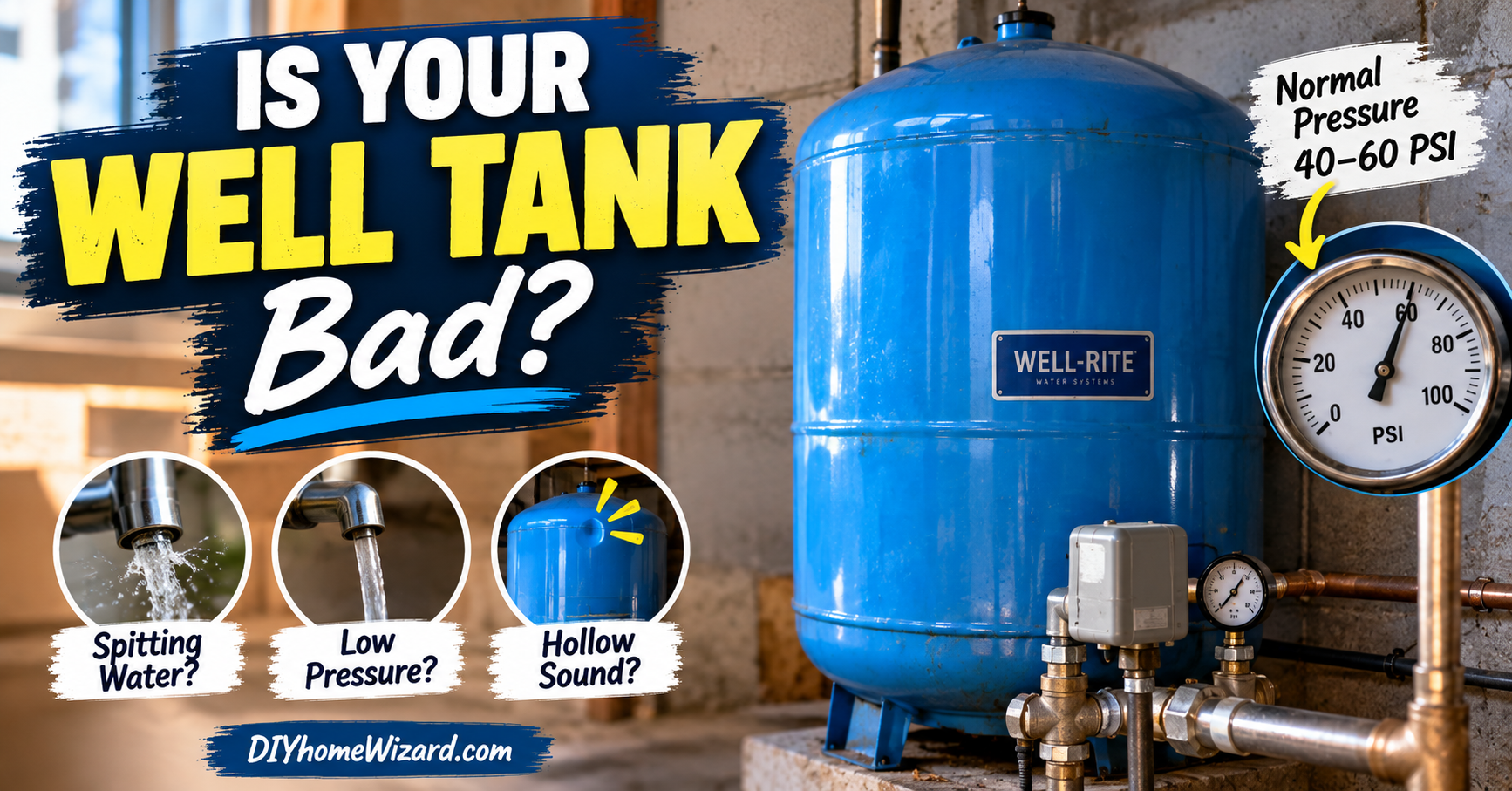
Our guide to telling whether a well pressure tank is bad explains the precharge check, air-valve warning sign, and other ways I separate a tank problem from a pump problem.
I do not replace the tank solely because the pump runs a long time. I first determine whether pressure is rising and whether water is escaping elsewhere.
Can the Wrong Tank PSI Keep the Pump Running?
Incorrect pressure-tank precharge usually affects drawdown and cycling rather than preventing the pump from reaching cut-out pressure.
However, the tank, switch, and pump must still be set up as a matched system.
For many bladder tanks, the empty-tank air precharge is set approximately 2 PSI below the pressure switch’s cut-in setting.
A 30/50 system commonly uses about 28 PSI. A 40/60 system commonly uses about 38 PSI.
The pressure must be checked with pump power off and all water pressure drained. Measuring it while the system is full does not reveal the actual precharge.
If the pump runs constantly, I do not start releasing or adding tank air as my first repair. That can create a second problem without solving the first.
Our complete explanation of the correct PSI for a well pressure tank covers the safe measurement process.
A Clogged Filter Can Restrict Water Flow
A heavily clogged sediment filter can make the house receive very little water even while the well equipment appears busy.
Whether it causes the pump itself to run continuously depends on where the filter sits in relation to the pressure tank and controls.
In a common arrangement, the pressure tank and switch are installed before the household filter. The pump should still build pressure and shut off even if the filter after the tank is clogged.
The house may have terrible flow, but the pump cycle can remain normal.
Different plumbing arrangements may place restrictions elsewhere. A clogged pipe, valve, screen, or improperly installed filter before the pressure controls can prevent the pump from building pressure normally.
I compare water flow before and after treatment equipment whenever a safe test point is available.
If an outside faucet branches off before the filter and has strong water while indoor fixtures are weak, the filter or downstream plumbing becomes a stronger suspect.
I never open a filter housing while it is pressurized. Those housings have a talent for waiting until my face is directly above them.
The Pump Intake or Well Screen May Be Restricted
Water must enter the well and pump before it can reach the house.
Mineral buildup, sediment, biological growth, scale, or debris can restrict the well screen or pump intake. A restricted pump may move less water and take much longer to build pressure.
Possible signs include:
- Gradually declining water flow.
- Longer pump run times.
- Slow pressure recovery.
- Reduced performance throughout the house.
- Sediment in the water.
- A change that worsens over months or years.
- Normal electrical operation but poor water output.
Franklin Electric lists plugged pump screens, blocked flow, and damaged pumps among conditions that can reduce pump output.
Cleaning or rehabilitating a well is not a simple matter of pouring a chemical into the casing. The cause, well construction, deposits, and water chemistry must be considered.
I have a well professional evaluate the well before trying any treatment that could damage the casing, screen, pump, or water supply.
The Water Level May Have Dropped
A pump cannot move water that is no longer covering its intake.
During drought or unusually heavy water use, the water level in a well may fall. The pump can begin drawing air, lose output, or run without building normal pressure.
I may notice:
- Faucets sputtering.
- Cloudy water caused by air bubbles.
- Pressure falling during long showers.
- Water stopping and returning after the well rests.
- Sediment appearing after heavy pumping.
- The pump running longer during dry weather.
- Problems beginning after pool filling or irrigation.
The resting water level is called the static water level. The level while the pump is operating is the pumping water level.
A professional can measure both and determine how much the water level drops during use.
Franklin Electric’s troubleshooting information identifies a falling well-water level, over-pumping, and a pump drawing air as possible causes of reduced output.
I do not repeatedly restart a pump that may be running dry. Water is important for cooling many submersible motors, and dry operation can cause serious damage.
The Well May Not Recover Fast Enough
Well yield is the rate at which the well can supply water over time.
A well may contain enough stored water for a short demand but recover more slowly than the household uses it.
This can create a pattern where water pressure begins normally, then gradually weakens during a long shower, irrigation session, or series of laundry loads.
After the well rests, pressure and flow may return.
That does not necessarily mean the pump is bad. The pump may simply be capable of moving water faster than the well can replace it.
Possible solutions depend on the property and may include managing peak demand, installing appropriate storage, adjusting pump depth, rehabilitating the well, or drilling a different well.
I do not solve a low-yield well by automatically installing a larger pump. A larger pump can pull the water level down even faster.
The well’s actual recovery rate must be measured before equipment is changed.
The Pump May Be Worn or Damaged
A worn pump can continue running but produce less pressure and flow than it once did.
Impellers wear. Internal clearances change. Sand and abrasive sediment can damage components. Motors and pump stages can also develop problems.
A weakening pump may take longer and longer to reach cut-out pressure. Eventually, it may stall below the switch setting and run continuously.
I look for a gradual change:
- Pressure takes longer to recover.
- Flow has weakened throughout the house.
- The pump no longer reaches its old shutoff pressure.
- The problem remains after leaks and restrictions are ruled out.
- Electrical testing shows abnormal motor operation.
- The pump is old or has a history of short cycling.
Franklin Electric notes that a worn or damaged pump can reduce flow, along with problems such as low water level, blockage, or a stuck valve.
A well professional can measure flow, pressure, voltage, amperage, and water level. Those readings help determine whether the pump is actually worn.
I do not replace a buried pump based only on its age. Pulling a deep pump is too much work for a hunch.
A Jet Pump May Have Lost Its Prime
An above-ground jet pump needs to remain filled with water so it can create suction.
If it loses prime, the motor may run without moving enough water to build pressure.
Possible causes include:
- A leaking suction line.
- A bad foot valve.
- A failed check valve.
- A loose fitting.
- Low water level.
- A cracked pump housing.
- Air entering the suction side.
- Improper priming after service.
The pump may sound like it is running normally while the pressure gauge stays low.
I shut it down rather than allowing it to continue running dry. Dry operation can overheat and damage the pump.
Priming instructions vary by pump model. I follow the manufacturer’s procedure and do not open a hot or pressurized pump housing.
If the pump repeatedly loses prime, simply adding water again is not a lasting repair. Air or water is escaping somewhere, and that path needs to be found.
Could a Frozen Pipe Keep the Pump Running?
A frozen or partly frozen line can restrict water movement and create unusual pressure behavior.
An above-ground pipe, poorly insulated well house, crawl-space line, or shallow section of plumbing may freeze during severe cold.
A complete blockage may prevent water from reaching the house. A partial blockage may allow limited flow while the pump struggles.
Freezing can also crack a line. After thawing, the pump may run constantly because water is escaping through the damage.
I inspect accessible pipes for frost, bulging, splits, and leaks. I do not use an open flame to thaw plumbing.
I also consider whether the problem began during or immediately after freezing temperatures.
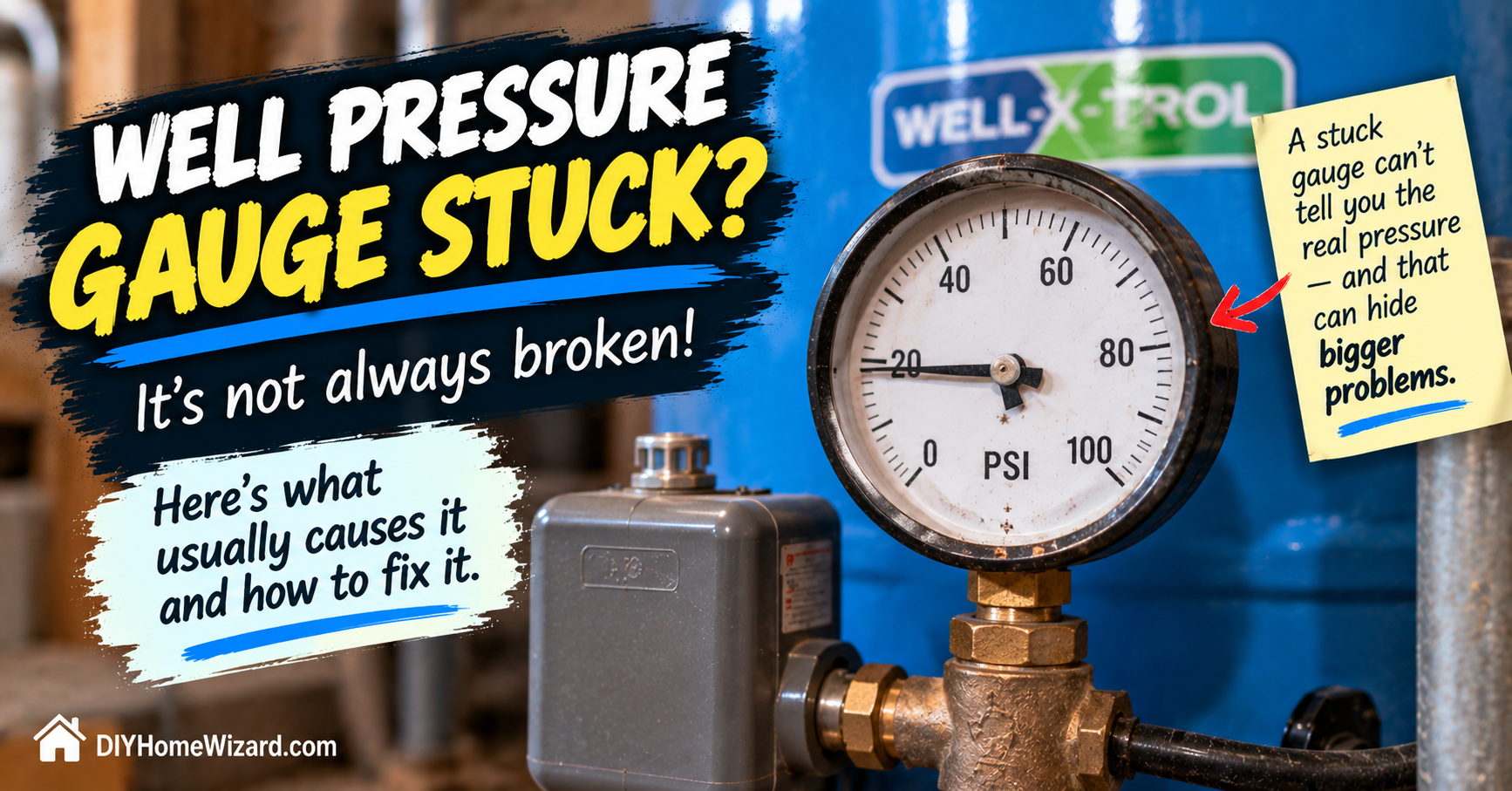
If the pump runs but the pressure gauge remains low, I turn it off until I know water can move through the system. Continuing to run against a blockage or leak can damage equipment. A gauge that stays low may be inaccurate, so the pressure gauge remains low outlines a safer way to confirm what the system pressure is doing.
What If the Pressure Gauge Is Stuck?
A failed gauge can make a normal system look broken or hide a dangerous condition.
If the needle never moves, I check whether it returns to zero when the system is completely depressurized.
A gauge that remains at 40 PSI after all water pressure is drained is clearly not providing useful information.
The small passage feeding the gauge may be clogged with rust, iron, or sediment. The gauge itself can also fail internally.
A bad gauge does not normally make the pump run continuously. It prevents me from seeing why the pump is running.
I do not adjust the pressure switch based on a gauge I do not trust.
A contractor can install a reliable test gauge and compare it with the existing reading. That is much cheaper than chasing a nonexistent pressure problem or allowing the system to overpressurize.
Why Raising the Pressure Switch Can Make Things Worse
When the shower feels weak, turning up the pressure switch can seem like the obvious fix.
If the pump already struggles to reach its current cut-out pressure, raising the setting gives it an even more difficult target.
The pump may run longer or never shut off.
Higher pressure also places more stress on pipes, fittings, filter housings, appliances, and the pressure tank.
Before raising pressure, I determine whether the system has:
- A clogged filter.
- A failing pump.
- A low-producing well.
- An underground leak.
- Restricted plumbing.
- Incorrect tank precharge.
- A faulty pressure gauge.
- Enough pump capacity to reach the new setting.

Our guide to improving whole-house water pressure explains why I look for the restriction before changing pump settings.
More pressure is helpful only when the entire system can safely produce and handle it.
Can Running Constantly Burn Up a Well Pump?
It can, depending on the cause and operating conditions.
Many submersible pumps are capable of long or continuous operation when properly submerged, correctly loaded, and receiving enough cooling flow.
A long run during normal water demand is different from running dry, operating against a blockage, or struggling with low voltage.
Conditions that can damage a continuously running pump include:
- Low water exposing the pump intake.
- Inadequate cooling flow around the motor.
- Low or unstable voltage.
- A blocked discharge.
- Cavitation in certain pump types.
- Severe mechanical wear.
- Sand or abrasive sediment.
- A motor that is overloaded.
- Constant operation caused by a major leak.
- Operating outside the pump’s designed range.
I do not assume the motor is safe simply because it is still running.
If pressure is not building, the pump is running without accomplishing its normal job. I limit operation until the cause is known.
My Safe Troubleshooting Order
When a well pump runs constantly, I work from the simplest observations toward the equipment that requires professional testing.
First, I stop all intentional water use.
Next, I check toilets, hoses, irrigation, softeners, filters, and visible plumbing for water use or leaks.
Then I watch the pressure gauge. I note whether pressure rises, stalls, falls, or exceeds the normal cut-out setting.
I listen for sputtering water, switch chatter, grinding, or changes in the pump sound.
I check whether the problem began after heavy water use, freezing weather, drought, plumbing work, or a pressure-switch adjustment.
I record the pump’s approximate run time and highest pressure reached.
I do not remove electrical covers, adjust live switches, close unknown valves, or force the pump to continue running.
That information is usually enough to have a much more useful conversation with a well professional.
When I Shut Off the Well Pump Immediately
I do not leave the pump running while I “wait and see” if any of these warning signs appear:
- The pressure gauge climbs beyond normal cut-out pressure.
- The pressure switch sparks or smells burned.
- Water sprays near wiring or electrical controls.
- The breaker repeatedly trips.
- The pump runs with no water reaching the house.
- Faucets spit large amounts of air.
- A jet pump becomes extremely hot.
- The pump makes grinding or severe mechanical noises.
- I suspect a broken underground line.
- The well may be running dry.
I turn off the correct pump breaker or disconnect and arrange service.
I do not repeatedly reset a tripping breaker. I also never hold pressure-switch contacts closed to keep the pump operating.
A well pump that cannot shut itself off is already telling me something is wrong. Forcing it to continue rarely improves the ending.
What the Pressure Pattern Usually Tells Me
If pressure rises normally and the pump shuts off after I stop all water use, the long run was probably caused by demand.
If pressure slowly climbs but eventually reaches cut-out, I look for high water use, reduced pump output, a restriction, or a small leak.
If pressure stalls several PSI below cut-out, I consider a large leak, low water level, worn pump, clogged intake, blocked line, or a switch setting the pump cannot reach.
If pressure falls while every fixture is closed, water is escaping through a leak or flowing backward through the system.
If pressure climbs past cut-out but the pump keeps running, I shut it off and suspect the pressure switch, switch contacts, or pressure-sensing connection.
If the gauge does not move, I verify the reading before changing anything.
The reason my well pump runs constantly is usually hidden in what the pressure does while the pump is running. Once I know whether the system is losing water, failing to move water, or failing to recognize pressure, I am much closer to finding the actual problem without replacing perfectly good parts.
Calder Voss writes for DIY Home Wizard about private wells, pressure problems, pump troubleshooting, and the practical clues that help homeowners understand why their water system is acting up.